Singapore, Perth, Sydney, Seattle, SF and Miami are allowed to have tall buildings right near the water, because they are allowed to be big and tall cities.
Vancouver has several restrictions which prevent it from becoming a proper big city.
UTL is about exploring past, present and future urban technologies in science and fiction, etc...
Singapore, Perth, Sydney, Seattle, SF and Miami are allowed to have tall buildings right near the water, because they are allowed to be big and tall cities.
Vancouver has several restrictions which prevent it from becoming a proper big city.
https://curiocity.com/new-years-eve-fireworks-2026-near-calgary-alberta/
Just like Vancouver can't stop its surrounding cities & suburbs from setting off fireworks, Vancouver can't stop Calgary, Perth and Seattle...
https://www.chatterblock.com/events/427141/new-years-eve-fireworks-calgary/
https://soperth.com.au/perthnews/perth-new-years-eve-fireworks-2025-2026-132795
https://visitperth.com/events/new-years-eve-in-the-city-2025 A nice hot summer in Perth is so much better than a cold, damp depressing winter in Vancouver, BC.
https://www.perth.wa.gov.au/news-and-updates/all-news/double-firework-spectacular-to-ring-in-2026
The people of Perth and WA in general, are so fortunate that nothing like the Vancouver Mind Virus has ever been accepted there.
https://www.worksafe.wa.gov.au/schedule-fireworks-events
https://en.wikipedia.org/wiki/CN_Tower
https://upload.wikimedia.org/wikipedia/commons/thumb/9/9c/CN_Tower_1976.jpg/330px-CN_Tower_1976.jpg , https://www.britannica.com/topic/CN-Tower Standing at a height of 1,815 feet (553 meters)https://en.wikipedia.org/wiki/First_Canadian_Place The BMO. Unlike Chicago, Toronto has no 100 story office towers.
https://en.wikipedia.org/wiki/Bentall_Centre_(Vancouver)#Three_Bentall_Centre A 32 story BC office stump.
Being from small Vancouver, its amazing that Canada even has one megacity. Toronto is certainly a big city on a lakeshore like Chicago is. Montreal isn't allowed to have buildings as tall as Melbourne, let alone NYC. Montreal has allowed only one office tower to be over 50 floors and a few residential towers in the 60s.
Calgary has more 50+ story office towers than Denver and Perth. No 40 story office tower exists in BC. The office section of the Harbour_Centre doesn't even have a 30th floor and the revolving restaurant is closer to being like 35 floors up. However, with the overall building being 481 feet, it would be equivalent to 40 floors, if the windows went right up to the top. The flagpole has no windows, but the flag would be like the equivalent of being 48 floors up.
Not just Toronto & Montreal, but Edmonton and Seattle have longer underground train stations than backwards, congested Vancouver.
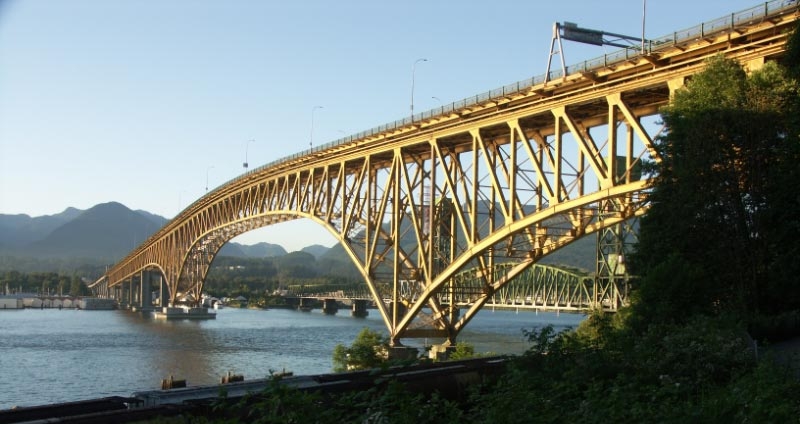
The Iron+Bridge, Oak+Street+Bridge, Knight+Street+Bridge & the Arthur+Laing+Bridge should all have a bus+and+bike bridge built next to them. The extremely inadequate Lion+Bridge should have already had a bus and train tunnel close to it.
https://www.cbc.ca/news/entertainment/tron-ares-review-9.6933888
Unfortunatly, using special effects is the only way to make Vancouver, BC look like its a proper big city.
No bridge within the small city limits of Vancouver has been allowed to be as big or wide as the biggest in Perth, Seattle, Portland, Edmonton & Glasgow...
The Skytrain stations are shorter than train stations in Perth, Seattle, Calgary and Edmonton...
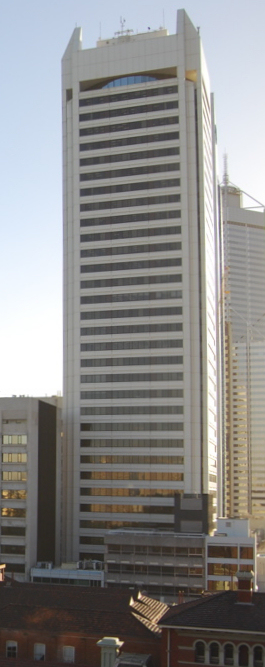
No office tower in Vancouver has been permitted to have a 40th floor. Of course, Perth, Seattle, Portland and Calgary have office towers over 40 stories.
https://hollywoodnorthbuzz.com/2025/10/tron-ares-vancouver-as-real-life-grid.html
https://dailyhive.com/vancouver/vancouver-landmarks-tron-ares-trailer
https://www.vancouverisawesome.com/events-and-entertainment/new-tron-ares-movie-trailer-features-vancouver-sci-fi-setting-10488343 Vancouver is so smallscale, but awesome? Perhaps when compared to Victoria, Kelowna, Prince George, Prince Rupert and Nanaimo, it is.
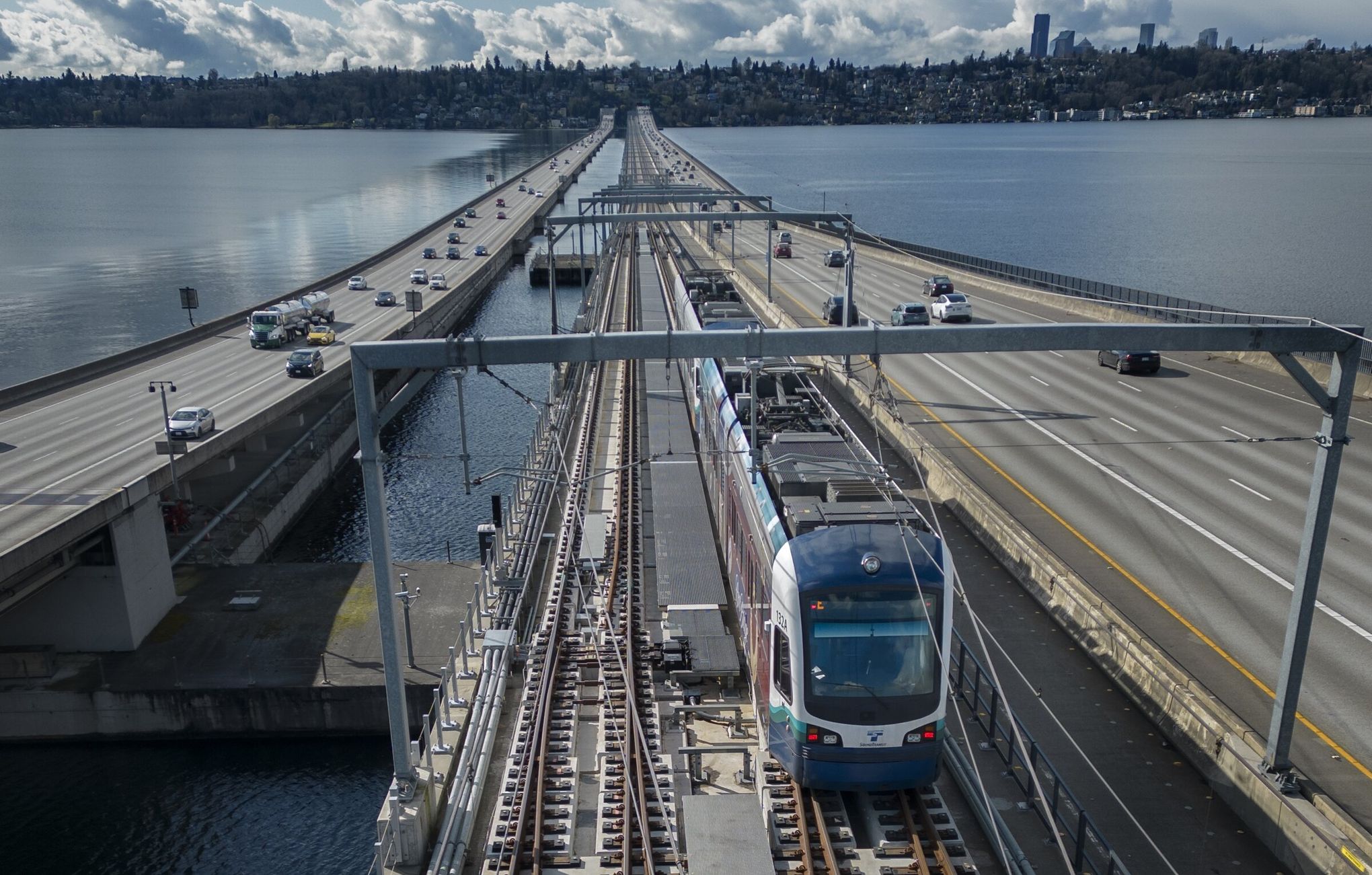
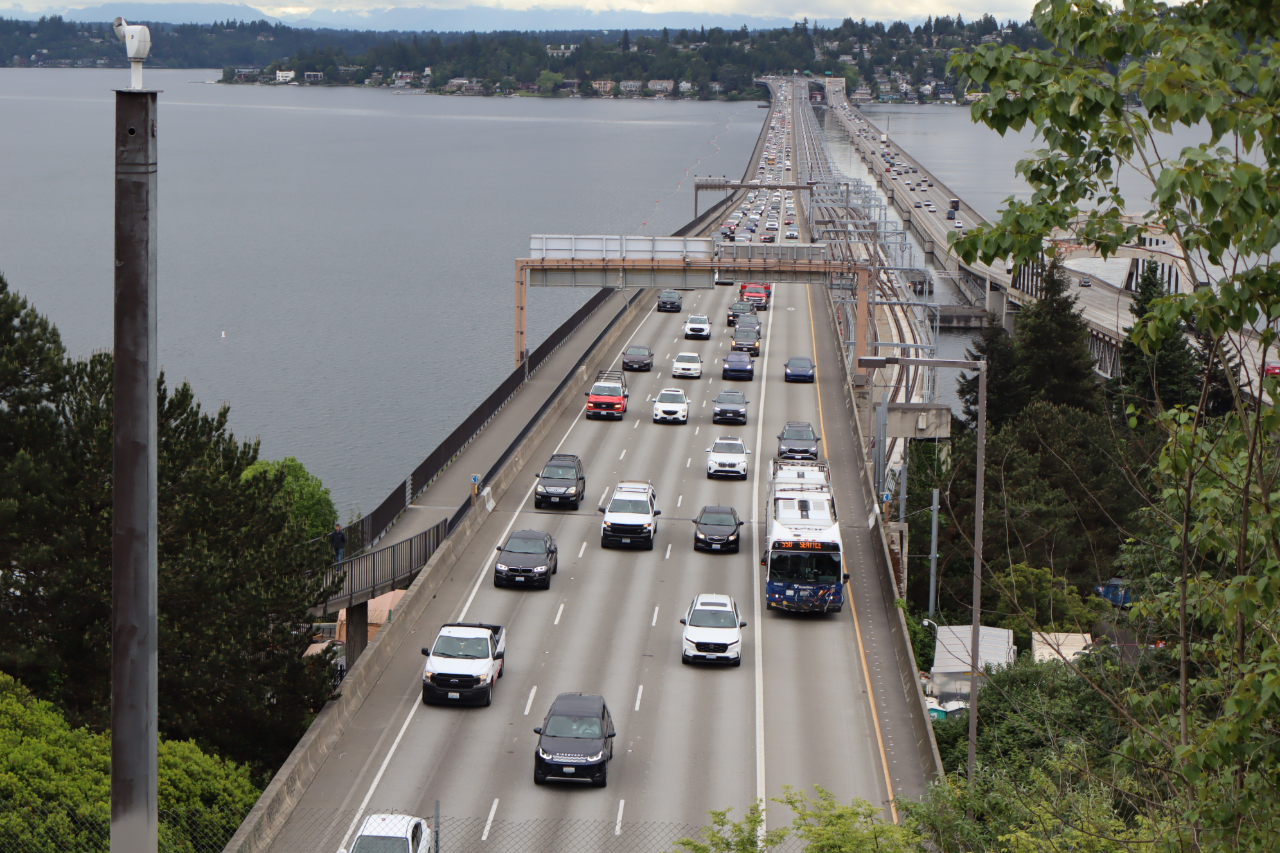
https://www.theurbanist.org/wp-content/uploads/2025/05/IMG_2666.jpg Two train tracks and the 4th lane each way is for busses. Just amazing when compared to backwards BC. Seattle is able to do so much more because its not affected by the BC Mind Virus.
https://en.wikipedia.org/wiki/Mandurah_line#Kwinana_Freeway_roadworks
https://www.instagram.com/reel/C1aarCsKys-/ The Vancouver mind virus never made it to Perth.
It took a very long time for Vancouver to have its first building permitted to rise over 500 feet in height.
152.4 meters = 500 feet and 150 meters = 492.12 feet
https://skyscraperpage.com/diagrams/?cityID=1
https://www.straight.com/article-371138/vancouver/city-approves-new-policy-taller-buildings-downtown-vancouver While there are some taller resedential towers, Vancouver still has no office tower with at least a 40th floor. Portland,_Oregon has 2. Perth, WA has 2 office towers with at least 50 floors. The_Bow tower in Calgary has 60 floors, when you count all the levels. The Columbia_Center in Seattle has 80 floors in total.
https://en.wikipedia.org/wiki/List_of_tallest_buildings_in_Vancouver#Cityscape
450 feet is equal to about 137.16 meters and that was the height restriction imposed on Vancouver for most of its restrictive, red-tape history.
https://en.wikipedia.org/wiki/List_of_tallest_buildings_in_Vancouver
The powers that be tried their damndest to not allow most Vancouver buildings to be taller than the Smith_Tower, Commerce_Court_North and the Los_Angeles_City_Hall until after the year 2000. Of course in 2025 those buildings are like stumps now, but would still be tall by small Vancouver standards.
https://skyscraperpage.com/cities/?buildingID=6965 , https://www.smithtower.com/about/
https://skyscraperpage.com/diagrams/?cityID=27&searchname=timeline
https://beautifulwashington.com/king-county/attractions/seattle/448-sky-view-observatory.html
https://www.seattletimes.com/life/heres-a-cheap-way-to-view-seattles-skyline-coffee-at-the-starbucks-on-the-40th-floor-of-the-columbia-tower The 40th floor of an 80 story building, when you count the mechanical or plant floors as well. Perhaps some day strict Vancouver might permit an office building to have a 40th floor.
https://skyscraperpage.com/diagrams/?cityID=1&status=15
stumps and towers
https://dailyhive.com/vancouver/r2-rapidbus-north-shore-metrotown-burnaby-route-extension
https://aquilinidevelopment.com/community/kwasen-village
https://dailyhive.com/vancouver/yvr-worlds-best-airports-accessibility
Unfortunatly, the YVR-Airport_station has one of the shortest & narrowest stations of any major airport.
https://upload.wikimedia.org/wikipedia/commons/0/00/Vancouver_Airport_Skytrain_Station_2008-04-22.JPG All of the C-Line stations should have been designed to ultimately accomodate 10 car trains, at least 8 car trains. This picture shows what a 4 car train could be like. Unfortunatly, its only two, 2 car trains. Ridiculously short 50m stations can only accomodate a 2-2.5 car train, not 4 or 5, let alone 8-10 cars. Combine this with mostly very narrow bridges in the Greater Vancouver Region and you see congestion or bottleneck planning at its best in backwards BC.In true lack of a big vision for BC, the YVR-Airport_station_Platform is so narrow & short that only 1 train at a time can stop on the very short single track station. While such small-scale train infrastructure would be impressive for Victoria, Kelowna, Prince George & Kamloops, it's hardly impressive to Seattle, WA and Perth, WA.
https://www.yvr.ca/en/passengers/transportation/public-transportation
https://thecanadaline.com/station-guides/yvr-airport/
https://www.translink.ca/schedules-and-maps/station/yvr-airport/schedule
Being from backwards BC, it's amazing to see how several major airports will have at least a double track airport train station. The Portland_Airport_MAX_station is another one of them. https://en.wikipedia.org/wiki/Portland_Airport_station , https://en.wikipedia.org/wiki/MAX_Red_Line
Ideally, the+airport+train should be more than a 2 car joke. Even 4 car trains should be able to stop at stations with enough future clearance to accomodate 6 car trains.
https://montecristomagazine.com/community/forgotten-bridges-vancouver
The LGB just wasn't designed with any future capacity in mind.
History of the Lions Gate Bridge https://www.youtube.com/watch?v=JHqi7Kijedw
https://en.wikipedia.org/wiki/Lions_Gate_Bridge#History
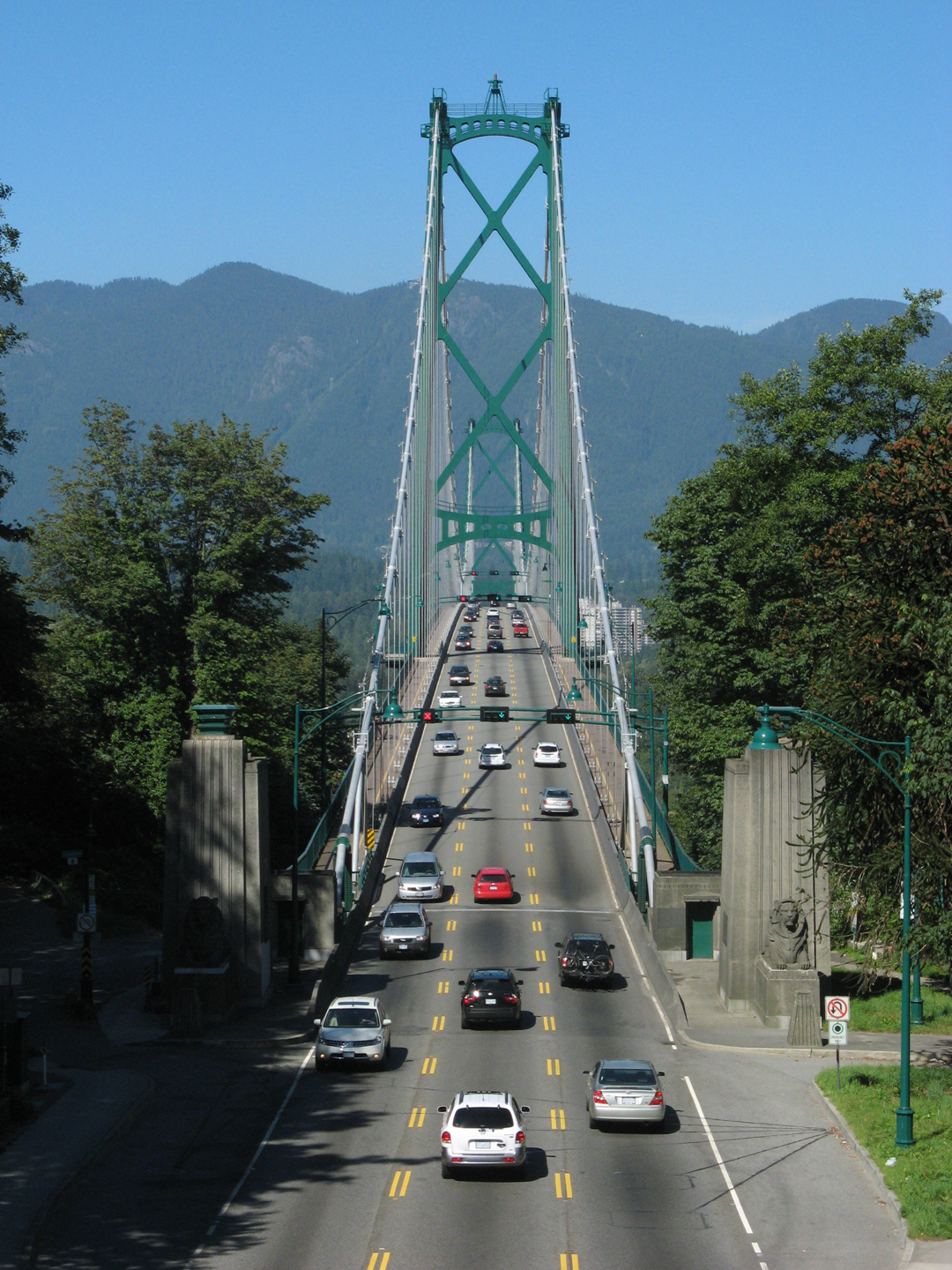
The inadequate 3 lane LGB is currently the most narrow road bridge in backwards & stubborn Vancouver. It's been in that category since the removal of the 2 lane Fraser Street Bridge in the 1970s. There was a refusal to twin the absurdly narrow LGB between the 1950s & 1970s. By the 1980s there should have been a subway tunnel and an 8 lane tunnel. Then two of the lanes could have been for buses. Georgia+Street is 7 lanes wide as it gets closer to Stanley Park. Thus, the main part of a tunnel through the park could have provided 3 general lanes each way & a bus lane each way. Instead, the 7 lanes of the westernmost part of Georgia Street are funneled into a 3 lane causeway & a 3 lane bridge. The LGB would be fantastic as just a bike & foot crossing, with train, bus & road tunnels well beneath & beside it.
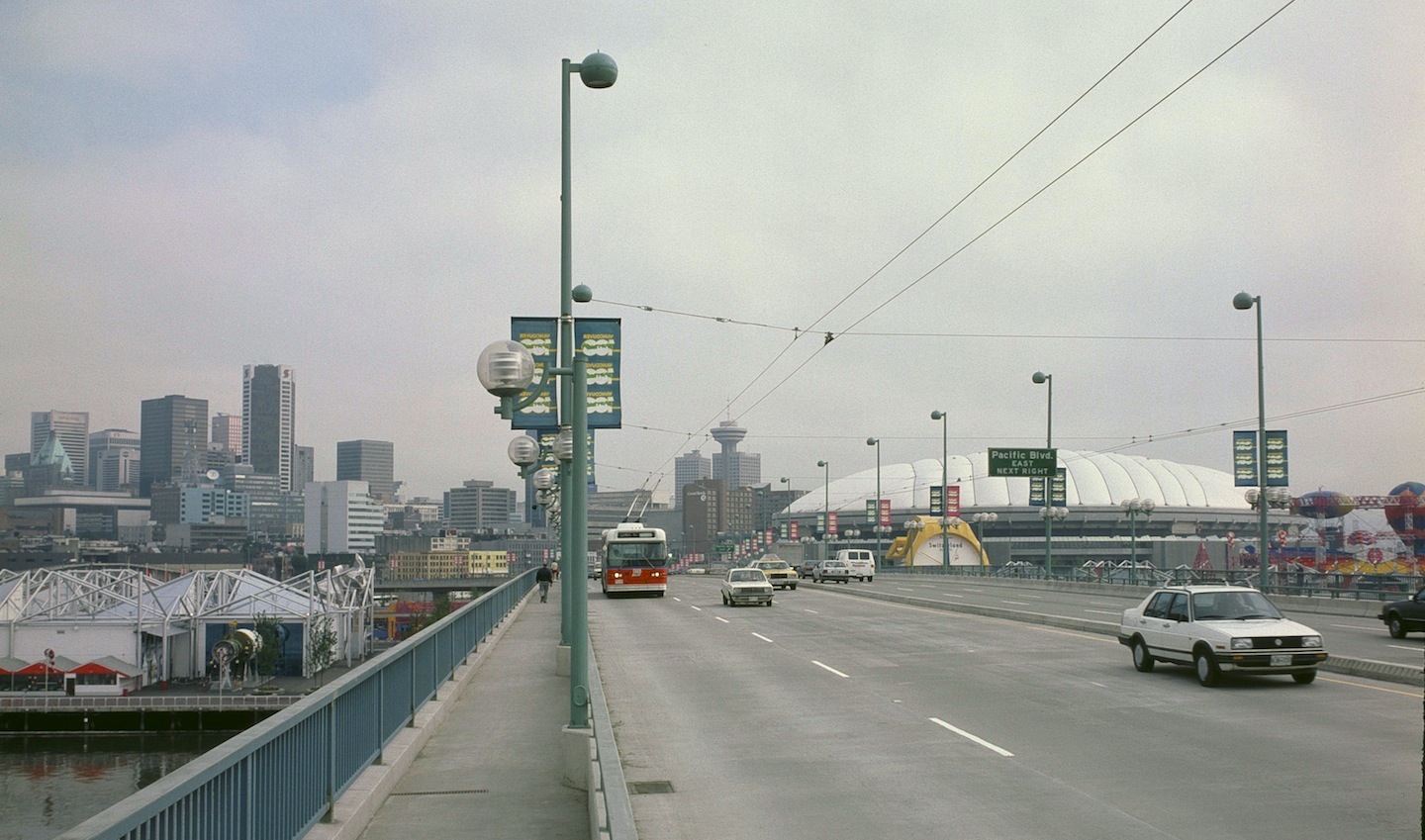
The Burrard_Bridge, BB or BSB opened with 6 lanes, but now it only has 4 lanes. There are 2 bike lanes & 2 sidewalks. Had a parallel bike-bridge been built, the BB could have still had 6 lanes. While the BB has a lower level provision for streetcars or tram-trains, Vancouver did its damndest to phase out streetcars well before the 1960s.
The Ironworkers_Memorial_Bridge has 6 lanes, but should also have had 2 wide shoulders & 2 very wide sidewalks. Unfortunatly, there was no provision for a lower deck, as is also the case with all of the other Vancouver bridges. https://en.wikipedia.org/wiki/Ironworkers_Memorial_Second_Narrows_Crossing
Any replacement of the inadequate Ironworkers+Memorial+Bridge should be on the scale of what Perth, Seattle and Montreal have done.
https://en.wikipedia.org/wiki/Granville_Street_Bridge#Third_bridge_(1954)
https://www.youtube.com/watch?app=desktop&v=vPSdF0jRTC4 The Granville-Bridge or GSB is the widest bridge in the city limits. It opened with 8 lanes, but is being transformed into a 6 lane bridge with 2 bike lanes & 2 sidewalks. Had there been a paralel bike & foot bride, the GSB could have still been 8 lanes wide. Then there could have been 2 exclusive bus lanes.
https://vancouver.ca/streets-transportation/granville-bridge-connector.aspx
The Oak Street Bridge should have been 8 lanes wide, with 2 wide sidewalks.
The Knight+Street+Bridge should have been 8 lanes with 2 wide sidewalks. Instead, its a 4 lane chokepoint.
The Arthur+Laing+Bridge should have been at least 6 lanes with 2 proper bike lanes & 2 sidewalks.
If the Cambie_Street_Bridge had 2 very wide sidewalks, then its likely that it would still have 6 lanes instead of 5. https://en.wikipedia.org/wiki/Cambie_Bridge#The_present_bridge
Unfortunatly, bottleneck or chokepoint planning is part of the Vancouver & BC mentality.
Of course BC & the Metro+Vancouver Region just hasn't put enough funds and effort towards proper big-city planning & infrastructure development.
If Perth+and+Seattle had to conform to the extremely restrictive Vancouver approach to things, those cities would be in a perpetual state of chaos. Fortunately, nothing like the BC Mind Virus has ever reached WA.
https://jfdatalinks.blogspot.com/search?q=Oak+Street+and+Granville+Street
Why build things to an impressive international scale like Brisbane is doing?
https://www.cbc.ca/player/play/video/9.669870 Small-scale Vancouver just has to build things that are only impressive to backwater BC.
Fortunately, The+Brisbane+Aquatic+Centre didn't have the same Vancouver B$ to contend with.
If you are from Brisbane & plan to visit Vancouver, you might at first expect to see a real city on the scale of Sydney or SF, or at least Seattle and Perth. Instead, you will see a provincial backwater of a city. The result of imposed overlapping hiderences.
Somehow, the Vancouver Mind Virus keeps creeping up through the decades. Have a smaller, Half-A$$ED pool than Brisbane, just like having a short joke of a train to the airport. That's the backwards Vancouver way.
https://jfdatalinks.blogspot.com/search?q=Vancouver+Aquatic+Centre
https://jfdatalinks.blogspot.com/search?q=Brisbane+Airport+Railway+Line
Auckland, NZ, along with Perth, WA and Seattle, WA have no problems with taller buildings and wider bridges than what Vancouver allows. Established cities like London & Paris, NYC & Chicago, big L.A. and even smaller Singapore, all seem to plan, spend & build more infrastructure than backwards Vancouver does.
Cities like Brisbane-Sydney-Melbourne-SF-Boston-and-Toronto are all on a much larger scale, simply because they don't have anything like the overlapping restrictions that backwards Vancouver & BC has imposed for itself.
https://x.com/CityHallWchVAN/status/1517347123225718785?ref_src=twsrc%5Etfw%7Ctwcamp%5Eembeddedtimeline%7Ctwterm%5Escreen-name%3Acityhallwchvan%7Ctwcon%5Es1 What seems big in little Vancouver is small or just average in many other cities.
https://jfdatalinks.blogspot.com/search?q=Brisbane-Sydney-Melbourne-Toronto
https://jfdatalinks.blogspot.com/search?q=Brisbane+Airport+Railway+Line
A lot of the secondary cities in each state could become big in their own right.
Texas has a lot more people than Australia, yet it's a much smaller area & still has plenty of room.
https://www.sciencedirect.com/science/article/pii/S1353829222001605
https://www.infrastructureaustralia.gov.au/sites/default/files/2019-06/future-cities-paper-web.pdf
https://scenariojournal.com/article/made-in-australia
Of course one expects Melbourne and Sydney to have all the big stuff. However, from a Canadian perspective, it's amazing to see that Australia has a 12 lane crossing in Brisbane & a 10 lane crossing in Perth. Such wide bridges just don't exist in Halifax, NS & Victoria, BC.
https://en.wikipedia.org/wiki/Sir_Leo_Hielscher_Bridges 12 lanes.
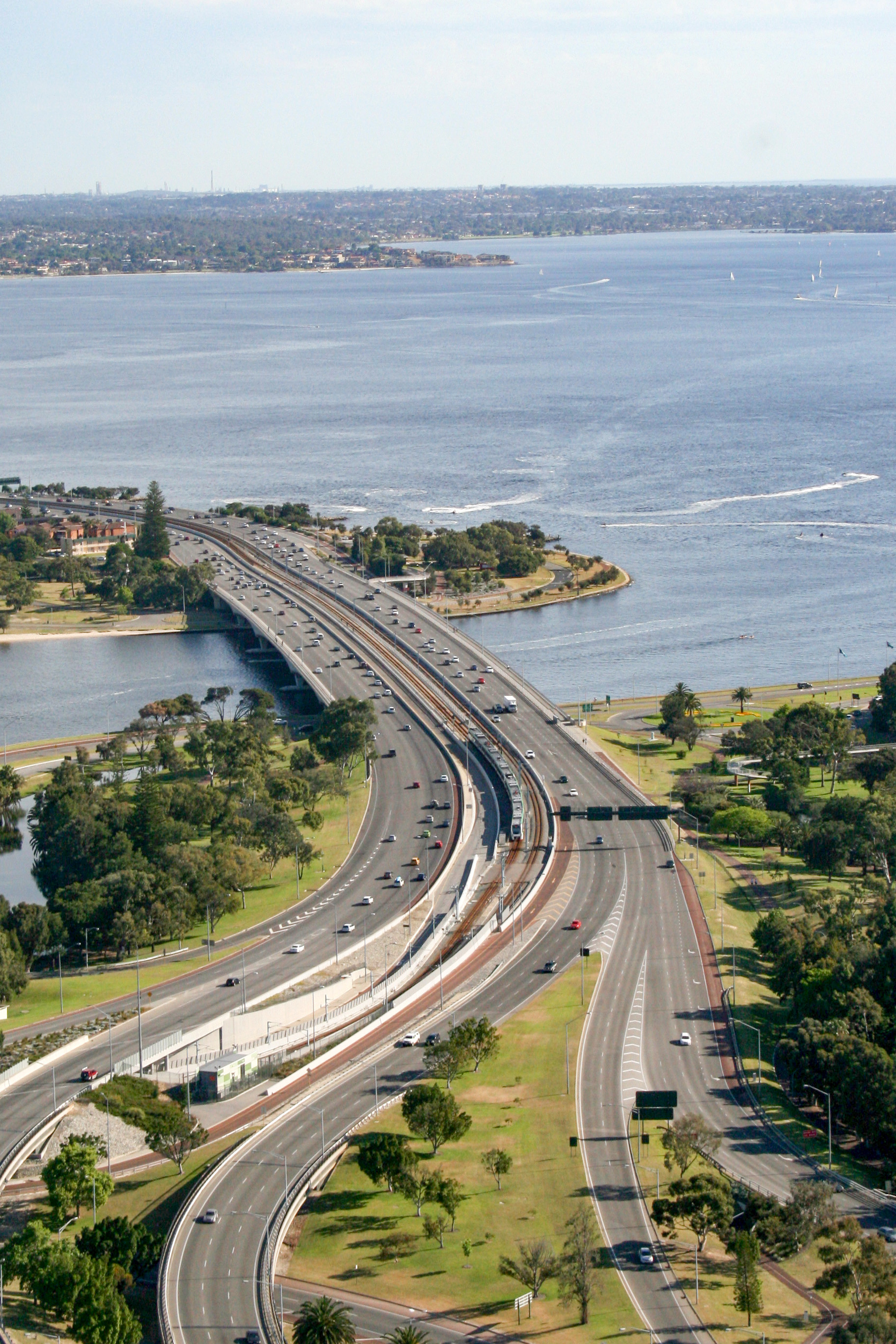
https://en.wikipedia.org/wiki/Narrows_Bridge_(Perth) 10 lanes.
https://en.wikipedia.org/wiki/Narrows_Bridge_(Perth)#Railway_bridge:_2005 Seattle & Montreal would end up having their own version of a wide bridge with a train component as well. Of course, stubborn & backwards Greater Vancouver would be one of the last urban areas to ever allow such similar bridges.
It doesn't look like anyone from Canada was ever able to convince Australians to give up on bridge duplication & opt to just cram everything into 4 lanes or an inept 3+lane+bridge for two-way traffic.
The British_Columbia_carbon_tax doesn't seem to have greatly improved the transportation infrastructure for Vancouver, as it's the largest city and urban area in BC. It's very strange that the Greater Vancouver Metropolitan Region is still so far behind with its infrastructure, when compared to several other urban areas around the world.
https://www.taxpayer.com/newsroom/b.c.-carbon-tax-not-reducing-emissions-as-promised
The first 2 Skytrain lines only have stations that are barely half the length of a Montreal Metro train. Indeed, the Montreal Metro & the Toronto Subway built most of their stations to be 152.5m or 500 ft long, not the 80m & 50m joke that is Skytrain. All of the Skytrain lines should have been designed to eventually accomodate 8-10 car trains. Despite Vancouver & backward BC not taking a big city planning approach, there is a potential remedy, in the form of Selective_door_operation technology. This would allow for the potential of 7 car trains with only the middle 5 cars accessing the short station platforms.
https://en.wikipedia.org/wiki/British_Columbia_carbon_tax#Effects
The Canada embarrassment Line was only designed to ultimately just have 2.5 car trains, not 5 & certainly not 8-10 car trains. The first significant challenge would be to adapt the extremely short stations to accommodate 3 car trains. Then again with Selective_door_operation, the middle 3 cars of a 5 car train could access the station.
Most bridges in BC are so narrow that it's almost impossible to have a proper regional express bus network.
https://www2.gov.bc.ca/gov/content/environment/climate-change/clean-economy/carbon-tax
It's as if somehow not enough funds went towards The+Pattullo+Bridge+replacement. Despite having some good bike lanes & sidewalks on both sides of the bridge, when it opens it will be too narrow to accomodate 2 bus & HOV lanes. Thus, cars, trucks & busses will all have to squeeze into just 2 lanes each way. There didn't even seem to be any proper communication & planning to ensure that there would be 2 emergency lanes. So good luck in trying to get ambulances across what is supposed to be a major regional crossing. There is no provision for a lower deck, which could allow for rapid rail transit & extra truck & bus lanes. Thus, this new PB bridge is one of the best examples of the symbolic resistance in BC to build proper infrastructure that can accommodate future demand.
https://www2.gov.bc.ca/gov/content/taxes/sales-taxes/motor-fuel-carbon-tax
The 3 lane Lions+Gate+Bridge just might be the best example of congestive planning in modern human civilization. At least the Benjamin_Franklin_Bridge in Philadelphia has 7 lanes & 2 train tracks. The Sydney_Harbour_Bridge has 8 lanes & 2 train tracks. Homer_M._Hadley_Memorial_Bridge in Seattle is part of an 8 lane crossing with 2 LRT tracks. The 10 lane Narrows_Bridge_(Perth) also has 2 train tracks. The San_Francisco-Oakland_Bay_Bridge has 10 lanes with 10 car BART trains running under the SF Bay.
https://thenarwhal.ca/bc-carbon-tax-drama/
https://www.pembina.org/pub/bc-carbon-tax
https://cleanenergycanada.org/wp-content/uploads/2014/12/Carbon-Tax-Fact-Sheet.pdf
https://soe.dcceew.gov.au/urban/pressures/population
https://www.app.com.au/insights/bridging-gap-australias-next-infrastructure-boom
https://www.infrastructureaustralia.gov.au/sites/default/files/2019-06/future-cities-paper-web.pdf
If you are from Perth you might expect that the transportation infrastructure might be of a similar caliber in the BC part of Canada.
Fortunately, the Vancouver mentality didn't make it over to Perth, causing a lane to be removed from the 6 lane Windan_Bridge. Unfortunatly, that was the case with the Cambie_Bridge in Vancouver. Had the bridge been designed to have wide sidewalks on both sides, or a lower level bike path, a traffic lane wouldn't have been removed.
https://www.google.com/maps/place/Windan+Bridge
https://www.google.com/maps/place/Mooro-Beeloo+Bridge Lower shared-use path.
https://www.mainroads.wa.gov.au/projects-initiatives/projects-initiatives-news/tonk-221223-tonkin-gap-bridging-the-gap While the City of Vancouver & the region became obsesd with preventing bridge duplication or twinning, a key aspect was ignored. Since so many bridges in backwards BC are already narrow, they are unable to properly accommodate bus & bike lanes, or even truck lanes. A port region like Greater Vancouver really needs truck lanes, as well as bus & bike bridges. Fortunately, the narrowmindedness of BC hasn't been adopted in WA. Otherwise, this would be a 4 lane chokepoint.
https://www.mainroads.wa.gov.au/travel-information/paths-and-cycling
Perth,WA like Seattle, WA aren't so quick to take away lanes, because foot & bike paths are better integrated into the city. That's also the case with Portland, Calgary, Edmonton, Winnipeg & Montreal...
Perth has an excellent bike path system. https://uncoolcyclingclub.com/perth-swan-river-cycling-loop The Greater Vancouver region has refused to build a proper network of buss & bike bridges, even though that would help to relieve congestion.
Perth+and+Seattle have been able to do so much more than backwards Vancouver, because they aren't hindered by anything like the BC Mind Virus.
https://dailyhive.com/vancouver/victoria-vancouver-rising-sea-levels
Perth, Melbourne, Sydney, Brisbane, GC City, Singapore, Honolulu, SF and Seattle don't seem to be that concerned. They have had no problem building right next to the seawater shore.
https://tidesandcurrents.noaa.gov/sltrends/sltrends.html
https://www.sealevel.info/MSL_graph.php?id=822-116
Apparently, a different set of physics is at work in backward BC. A few centimeters or even a few inches over the course of a century, gives cities plenty of time to prepare. Amsterdam and New Orleans still plan to be up and running. The main concern is to prevent a WW3 scenario.
After decades of imposing narrow streets, roads, highways & bridges, it's still difficult for the region to have a proper express bus network. Most of the bridges in the region need to have a bus & bike bridge built right next to them.
The first 2 SkyTrain lines still only have 80m stations & the 3rd line, the C-Line, only has 50m stations. In contrast, the Montreal Metro was designed to have almost 153m long stations. Thus, a 500 foot long station can accommodate a 9 car train. Unfortunately, the first 2 SkyTrain lines can only accommodate the newer 4 car trains with a potential for a 5 car train, someday. The 3rd line or the C-Line, can only accomodate a 2 car joke of a train, but it has the potential to become a 2.5 car joke of a train.
This absurdity of congestive planning must be challenged & stopped in backward BC. Unfortunately, there are some influential people that continually like to maintain the symbolism of short trains and narrow bridges. They don't want the Greater Vancouver Region to become a proper urban area. That mentality apparently justifies the inadequate or underbuilt infrastructure in the region.
So now with looming transit cuts, the narrow roads & bridges will become even more congested.
https://www.rtands.com/tag/translink
The $2BN Megaproject Under Vancouver https://www.youtube.com/watch?v=D4YFFtTEUQc
What Greater Vancouver Needs https://www.youtube.com/watch?v=qZavPFZ9H1E
Whether its a bridge or a tunnel, Perth and Seattle have excellent wide crossings which allow for rail rapid transit. Fortunately, the congestive Vancouver mentality never reached into those cities.
https://www.highway99tunnel.ca/tunnel-construction Unfortunatly, BC missed another opportunity to have rapid rail transit through the tunnel.
https://vancouver.citynews.ca/2024/09/17/highway-91-spun-out-richmond Even back in the 1980s, BC_Highway_91 should have been designed to be at least 4 lanes each way. 3 general lanes each way with the 4th as a bus & HOV lane. There also should have been 2 wide shoulders or emergency lanes. The Alex_Fraser_Bridge should have been designed to be at least 10 lanes wide. 3 general lanes each way & a bus-HOV lane & a truck lane each way. Plus, 2 emergency lanes & a provision for a lower rail transit deck. Unfortunatly, bottleneck or chokepoint planning won out. Plus, the symbolism for BC is to not properly plan for large, efficient infrastructure.
How can the Greater Vancouver Region have an efficient express bus & rapid bus network, when the highways & bridges are kept narrow? Why wasn't the SkyTrain designed to eventually have 153m or 500 foot long stations like the Montreal Metro? That would be symbolic of a proper big thinking city wanting to have high capacity transportation corridors. BC is about taking the congestive planning approach instead.
Perth+and+Seattle have been able to do so much more, because they aren't under anything like the imposed Vancouver restrictions and the overall backward BC mentality.
https://en.wikipedia.org/wiki/Light_rail , https://en.wikipedia.org/wiki/Light_rail#Types ,
https://en.wikipedia.org/wiki/Light_rail#Comparison_to_other_rail_transit_modes
https://en.wikipedia.org/wiki/Premetro
https://en.wikipedia.org/wiki/Semi-metro
https://en.wikipedia.org/wiki/Rapid_transit
Of course when Vancouver & the greater urban region became obsessed with keeping the roads & bridges narrow, it was as if there wasn't a proper concept of having express bus lanes & dedicated rapid bus lanes.
https://dailyhive.com/vancouver/translink-funding-issues-impacts-traffic-congestion
The 1959 George_Massey_Tunnel should have opened with 3 lanes each way. Plus, 2 wide emergency lanes. Then over the course of its first 2 decades, it could have become a 6 lane crossing with 2 bus & HOV lanes.
By the 1980s, the inept 4 lane George_Massey_Tunnel should have had a parallel higher & wider bus & HOV tunnel consisting of at least another 4 lanes & at least 2 emergency lanes. Thus making it more capable as an eventual replacement to the old tunnel. Then by around 2000, there should have been a bike, truck & train bridge or tunnel as well.
A George_Massey_Tunnel#Replacement by 2030? The first phase of this really should have been started by the 1980s. Of course the new tunnel with 8 lanes & 2 bike lanes, won't have 2 truck lanes & there won't be 2 HOV lanes. Plus, in accordance with a perpetual congestive planning mentality, there is no provision for an extension of the Canada Line to Delta.
The new tunnel should not only have had 3 general lanes each way & 1 bus lane each way, there should be 1 truck lane each way as well. Plus, 2 wide emergency lanes which could eventually be repurpose for a north & southbound rapid bus transit corridor. That's because, even if there is ever a YVR-Canada-Line to the ferry terminal, it won't be open 24 hours.
Someday the YVR-Canada-Line should not only have 2.5 car trains, but an actual 5 car train consisting of five, 20m coaches. Selective_door_operation technology would make this possible. Of course it would have simply been much better to have designed all the stations to already be at least 100m, instead of the inept 50m. Unfortunately, backward BC thinking keeps getting in the way.
https://www.richmond-news.com/local-news/province-considering-filling-george-massey-tunnel-with-sand-8777369 Despite the old tunnels height restrictions, a slightly smaller version of the Road_Train could have been ideal for it. https://en.wikipedia.org/wiki/Road_train#Trailer_arrangements
Keeping the old tunnel as a freight corridor between Delta & Richmond would be of tremendous benefit. Delta has the Roberts_Bank_Superport & the Tsawwassen_ferry_terminal.
Richmond has the Vancouver_International_Airport & the inept Canada_Line.
Despite budget limits at the time, the Canada_Line should have been designed to eventually have 5 car trains & ultimately, 10 car trains. It should have been envisioned as a high capacity rail link between downtown Vancouver, YVR, Richmond & Delta. With an ultimate connection between the Tsawwassen_ferry_terminal and the Horseshoe_Bay_ferry_terminal.
For some reason Vancouver & BC never seemed to really take off in the 1980s like Calgary, Seattle & Perth. Indeed, while Vancouver seemed to continue on its sleepwalking path after Expo_86, Brisbane really started to boom after its World_Expo_88.
Unlike SW BC, the Brisbane Airport & seaport are much closer to each other.
https://upload.wikimedia.org If you are from Brisbane & visiting Vancouver, you will be shocked to see such a short airport train. Being from Vancouver, its difficult to grasp how Brisbane was able to build such nice long trains. This is something to be very proud of, as it can move a lot of people in both directions. https://en.wikipedia.org/wiki/International_Airport_railway_station,_Brisbane This opened in 2001 & Vancouver's inept version had to be ready by 2010 with just 2 car trains. Yet, Brisbane designed their train to be high capacity capable as soon as it open for service. From a backwards BC perspective, it's amazing how Queensland is able to think & function on such a grand scale & to properly allocate the necessary funds. Who knows where so much of the funds went in BC? That's because not enough of it seems to have gone into the infrastructure.
https:://en.wikipedia.org/wiki/Vancouver_International_Airport#Rapid_transit_(SkyTrain)
https://www.google.com/maps/place/Sir+Leo+Hielscher+Bridges,+Queensland,+Australia
https://en.wikipedia.org/wiki/Sir_Leo_Hielscher_Bridges This has the potential to still have 4 lanes each way. Plus, 1 bus lane & 1 HOV lane each way.
https://en.wikipedia.org/wiki/Port_of_Brisbane , https://www.portbris.com.au ,
https://www.portbris.com.au/portbris-2060
Unlike backwater BC, Queensland is able to properly think, plan, invest & build for the future. Queensland just isn't hindered by anything like the BC Mind Virus (BCMV).
https://jfdatalinks.blogspot.com/search?q=YVR-Canada+Line This is almost the worlds shortest train, because it only has 2 cars.
https://jfdatalinks.blogspot.com/search?q=old+and+new+narrow+bridges
https://jfdatalinks.blogspot.com/search?q=Brisbane+Airport+Railway+Line
https://vancouver.citynews.ca/2024/07/12/bc-place-lower-bowl-grey-cup-tickets-sold-out
https://dailyhive.com/vancouver/grey-cup-tickets-selling-bc-place-lower-sells-out
https://en.wikipedia.org/wiki/BC_Place
| Owner | Province of British Columbia |
|---|---|
| Operator | BC Pavilion Corporation (PavCo) |
| Executive suites | 50[1] |
| Capacity | |
| Record attendance | 65,061 (September 2, 2023, Ed Sheeran, +–=÷× Tour)[3] |
https://en.wikipedia.org/wiki/BC_Place#History
Of course the biggest stadium in BC would still have to have less capacity than Edmonton's, Perth's & Seattle's.
https://en.wikipedia.org/wiki/Commonwealth_Stadium
| Owner | City of Edmonton |
|---|---|
| Capacity |
|
| Record attendance | 66,835 (U2 360° Tour) |
https://en.wikipedia.org/wiki/Commonwealth_Stadium#History
The stadium's total capacity is 61,266, including standing room, making it the third-largest stadium in Australia (after the Melbourne Cricket Ground and Stadium Australia).[7] The stadium can be extended up to 65,000 seats for rectangular sports. https://en.wikipedia.org/wiki/Perth_Stadium
| Owner | Government of Western Australia VenuesWest |
|---|---|
| Operator | VenuesLive[4][5] |
| Capacity | 61,266[1] 65,000 (Rectangular)[2] 70,000 (Concert)[3] |
| Record attendance | 73,092, Ed Sheeran concert 12 March 2023 |
https://en.wikipedia.org/wiki/Perth_Stadium#History
https://en.wikipedia.org/wiki/Lumen_Field
| Owner | Washington State Public Stadium Authority |
|---|---|
| Operator | First & Goal Inc. |
| Executive suites | 111 |
| Capacity | 68,740 (NFL) Expandable to 72,000 (for special events) 37,722 (MLS / XFL) Expandable to 68,740 (for special events) 10,000 (NWSL) |
| Record attendance | Concert: 77,286 (Ed Sheeran, August 26, 2023) Soccer: 69,274 (Seattle Sounders FC vs. Toronto FC, November 10, 2019) |