https://en.wikipedia.org/wiki/South_Bellevue_station
https://www.soundtransit.org/system-expansion/south-bellevue-station
https://www.bellevuedowntown.com/go/east-link-south-bellevue-station
https://hollywoodnorthbuzz.com/2024/04/superman-lois-at-its-luthorcorp-in-downtown-vancouver.html
Another Vancouver building that might be impressive, if it had been at least 50 stories, but it wasn't even permitted to have 25 floors.

If there is ever a very strong earthquake in that part of the world, a lot of older buildings could be seriously affected.
https://www.cnn.com/2024/04/05/us/earthquake-nyc-nj-northeast/index.html
https://www.cbsnews.com/newyork/news/earthquake-new-york-city-aging-buildings/
So many older NYC buildings just weren't constructed to modern earthquake standards.
Fortunately, this was nowhere as intense as what can happen in Taiwan, Japan, NZ or California.
Unfortunately, urban earthquakes can strike at any time without warning.
https://www.worldatlas.com/articles/the-world-s-10-most-earthquake-prone-countries.html
https://dailyhive.com/vancouver/skytrain-canada-line-capstan-station-spring-2024-service
An entire section of the line has to close early, due to a new station being added. If or whenever all the stations are lengthened, the entire system might have to close early.
Fortunately, all the underground stations in Toronto & Montreal & even Edmonton, were built to be much longer, in the first place. Fortunately, any new underground C-Train stations in Calgary won't be Vancouverized. They will be as long as any underground LRT station in Edmonton.
The biggest mistake for the Skytrain was not building 152 m or 500 ft long stations. Then as longer trains are required, the longer stations would already exist.
The 3rd line or the Canada+Line, is such a fine example of BC congestive planning. Why bother to have long big city trains? https://dailyhive.com/vancouver/canada-line-skytrain
Aparenty, short trains help to match the many narrow bridges in BC. Of course narrow bridges make it tougher to have bus & HOV lanes.
"The five busiest stations have platforms 50 metres (160 ft) long, while the rest of the stations have 40-metre (130 ft) platforms that can be easily extended to 50 metres." https://en.wikipedia.org/wiki/Canada_Line#Stations
https://dailyhive.com/vancouver/skytrain-canada-line-rebuilding
https://dailyhive.com/vancouver/north-shore-burrard-innlet-rapid-transit-brt-translink
Greater_Vancouver has been stunted or thwarted for several decades, in so many ways.
https://jfdatalinks.blogspot.com/search?q=SkyTrain-Canada+Line
Talk about a city that continually refuses to live up to its potential. Vancouver is an incredibly small city in total area. [ 123.63 km2 (47.73 sq mi) ]
The Metro_Vancouver_Regional_District_of_BC is more comparable to some of the larger cities on the planet. [ 2,878.93 km2 (1,111.56 sq mi) ] https://en.wikipedia.org/wiki/Metro_Vancouver_Regional_District
The Lower_Mainland_of_BC is more comparable to some of the larger urban & suburban regions of the world. Thus, there is a lot of potential for growth.
| Area | |
|---|---|
| • Total | 36,303.31 km2 (14,016.79 sq mi) |
https://en.wikipedia.org/wiki/Lower_Mainland
Yet, somehow so many things are continually underbuilt, as if to signify & perpetuate a KEEP THEM OUT agenda. Indeed, if you can't build a wall or generate a Star Trek or Star Wars like forcefield around BC, then you build a symbolically stunted transportation infrastructure. This helps to create more congestion & frustration. Of course one has to wonder where all the money has gone over the past several decades?
How did the KEEP THEM OUT agenda ever get started? How did the KEEP BC SMALL mentality become so firmly entrenched? That remains partially a mystery, but it's as if some kind of a vibe or energy has been continually been tapped into over the course of several generations. Somehow this thwarting force or mentality, never seemed to catch on with Alberta, Washington_(state), Ontario & Quebec...
1886 https://en.wikipedia.org/wiki/Vancouver#Incorporation
https://en.wikipedia.org/wiki/1886_Vancouver_anti-Chinese_riots (1886) A classic case of government & corporate mentality of the day, using one group of people over another.
https://www.hrw.org/news/2023/12/03/questions-and-answers-migrant-worker-abuses-uae-and-cop28#:~:text=Even%20though%20migrant%20workers%20primarily,Rights%20Watch%20has%20extensively%20documented. Unfortunately, this still happens all over the world.
Unlike so many big cities, Vancouver seemed to have a reoccuring backwater mentality right from the start. While Vancouver & Canada in general have become multicultural over the recent decades, a provincial backwater mentality was ideal for Vancouver, back in the day. The old White colonial mentality just didn't see indigenous & other non-white people as that important or even necessary.
https://en.wikipedia.org/wiki/Anti-Oriental_riots_(Vancouver) 1907 https://www.canadashistory.ca/explore/settlement-immigration/the-lessons-of-the-anti-asiatic-riot
https://en.wikipedia.org/wiki/Komagata_Maru_incident (1914)
Of course Canada, Australia & other White European colonies eventually had to accept that most of the world is non-white. Thus, maintaining a White Only Policy didn't fit in with the world's demographics.
https://www.canadashistory.ca/explore/settlement-immigration/not-just-immigrants
https://www.canadashistory.ca/explore/books/harriet-s-legacies
However, suppose that a gordian knot of overlapping restrictions, red tape & other B$, could gradually be imposed throughout the White BC of the 1950s & 60s. Then even more Vancouver & BC restrictions in the 1970s & 80s, in spite of multicultural immigration. Of course Southern Ontario & Southern Quebec grew rapidly, because that's where most of the urbanization-and-industry is in Canada. Then by the 1990s, Vancouver should have been building things to the scale of Montreal in the 1970s & 80s.
Instead, the first 2 Skytrain lines were built to only be about half the length of a Montreal Metro station & the 3rd line (the Canada+Line) with only 50 m stations. No bus bridges were ever built next to the existing narrow bridges. It's all about creating congestion, instead of properly planning to handle more capacity in BC.
"One was that superhighways created new traffic as much as they relieved old bottlenecks; by 1972 bypass highways like the 401 were multi-laned traffic jams of bumper-to-bumper vehicles at first during rush hours and eventually for almost the entire day.
Improving connections between the city and its outskirts only prompted more people to move away or use the roads more frequently.
The other problem was that freeways constructed in populated areas could be built only by tearing down existing housing and devastating neighbourhoods. An extended period of Toronto opposition finally managed to stop construction of a projected expressway in 1971, which brought to a symbolic end the period of unrestricted and unplanned expansion in the city. In Vancouver at about the same time, proposals to extend the Trans-Canada Highway into the city’s centre, virtually demolishing many neighbourhoods — including the traditional Chinatown district — were fought to a standstill. https://www.canadashistory.ca/explore/arts-culture-society/home-sweet-suburb
https://dailyhive.com/vancouver/800-granville-street-vancouver-proposal-office-cancelled Yet, once again, another project was cancelled, due to the slow planning & processing pace of the city.
https://jfdatalinks.blogspot.com/search?q=SkyTrain-Canada+Line
https://jfdatalinks.blogspot.com/search?q=old+and+new+narrow+bridges
If developers were allowed to build, Toronto, Melbourne, Sydney & Brisbane size towers, as long as they also built some commonly affordable rental buildings, that would be an incentive. Sure, developers can build sky-high in Dubai, NYC & Chicago, but that's usually just for luxurious condo suites.
If developers in Vancouver & BC in general want to build much taller towers, they should also build a lot of low to mid-rise commonly affordable condominiums & rental units. Thus, by doing that in tandem, would allow them to build, Toronto, Melbourne, Sydney & Brisbane size towers.
Unfortunately, unless the very strict Vancouver height limitations are updated to proper big city standards, semi-tall luxurious condo towers will be built, but with no incentive for developers to build a lot of affordable housing for a much larger market.
https://globalnews.ca/news/10398435/people-left-bc-provinces-alberta-stats-canada/
Fortunatly, Alberta was never absorbed by BC.
Every city starts out with stumps and several cities eventually have some tall towers.
https://en.wikipedia.org/wiki/List_of_tallest_buildings_in_Brisbane#Timeline_of_tallest_buildings
https://mapfight.xyz/compare/queensland-vs-us.fl
https://en.wikipedia.org/wiki/List_of_tallest_buildings_in_Brisbane
https://en.wikipedia.org/wiki/Brisbane_Square At 151 m (495 ft) it's just another Vancouver like stump, especially, AMP_Place.
Queensland & especially Florida have grown substantially over the decades. A year round warm climate is certainly part of the big attraction. Something that Canada just doesn't have.
The Southeast_Financial_Center and One_Biscayne_Tower in Miami.


One_Biscayne_Tower contains 39 floors and is 492 ft (150 m) tall. Today it's just another Vancouver stump size building in downtown_Miami.

https://en.wikipedia.org/wiki/Jean-Drapeau_station
https://en.wikipedia.org/wiki/Yellow_Line_(Montreal_Metro)#Opening_for_Expo_67
The MPM-10 consists of 9 articulated cars per train. Indeed, why just have a 3 coch joke, when you can have a 9 car train? If only Vancouver would have such forward thinking & planning.
| Train length | 152.43 m (500 ft 11⁄8 in) |
|---|
https://en.wikipedia.org/wiki/MPM-10#History Unlike Vancouver, Montreal planned for 500 foot long stations right from the start. 9 car trains are great, but ultimately there should be 10-12 car trains.
If you are from Prince_George, Kamloops, Victoria or Kelowna, you might think that Vancouver is a big & tall place.
https://en.wikipedia.org/wiki/List_of_tallest_buildings_in_Vancouver#Tallest_buildings
However, it's all on a much smaller scale than real big cities around the world.
https://en.wikipedia.org/wiki/List_of_tallest_buildings_in_Vancouver#Under_construction
Seattle & Calgary never fell into the Vancouver trap.
https://en.wikipedia.org/wiki/List_of_tallest_buildings_in_Vancouver#Approved_and_Proposed
Simply because they aren't under the Vancouver type restrictions.
https://jfdatalinks.blogspot.com/search?q=Kelowna-Victoria-Prince+George-Kamloops
https://dailyhive.com/vancouver/translink-no-2-bus-route-articulated-buses-upgrade
Get people so frustrated for taking the bus, only to start driving more on the inadequate BC roads & bridges.
Expo_86 should have had a sub-theme of showing the world how Vancouver & BC would continue to take an inept approach for several decades. In contrast, the World_Expo_88 in Brisbane is a place where transportation infrastructure isn't thwarted by any Vancouver or BC type restrictions.
https://en.wikipedia.org/wiki/Brisbane#Rail
https://en.wikipedia.org/wiki/Busways_in_Brisbane Of course Brisbane would get moving on better busways several years before slow-moving Vancouver would.
https://en.wikipedia.org/wiki/Road_transport_in_Brisbane
https://en.wikipedia.org/wiki/Captain_Cook_Bridge,_Brisbane
https://en.wikipedia.org/wiki/Translink_(Queensland)
https://jfdatalinks.blogspot.com/search?q=Brisbane+Airport+Railway+Line
https://dailyhive.com/vancouver/hilton-hotel-888-west-broadway-vancouver
This is part of the southern extension of downtown Vancouver, yet it has to be shorter than the 103 m, 340 ft Old_City_Hall_in_Toronto. Even shorter than the 92 m (302 ft) Brisbane_City_Hall. Those are both little buildings by today's standards. Yet, in certain parts of the Vancouver core, they would be consider to be too tall. It even has to be shorter than the 245 ft (75 m) King_Street_Station in Seattle. Fortunately, these 3 cities will never be Vancouverized. This, keep Vancouver small & stunted mentality really sucks, but it's all part of the KEEP THEM OUT agenda.
Such restrictive & congestive planning helps Vancouver & BC maintain, the keep it small symbolic approach to things.
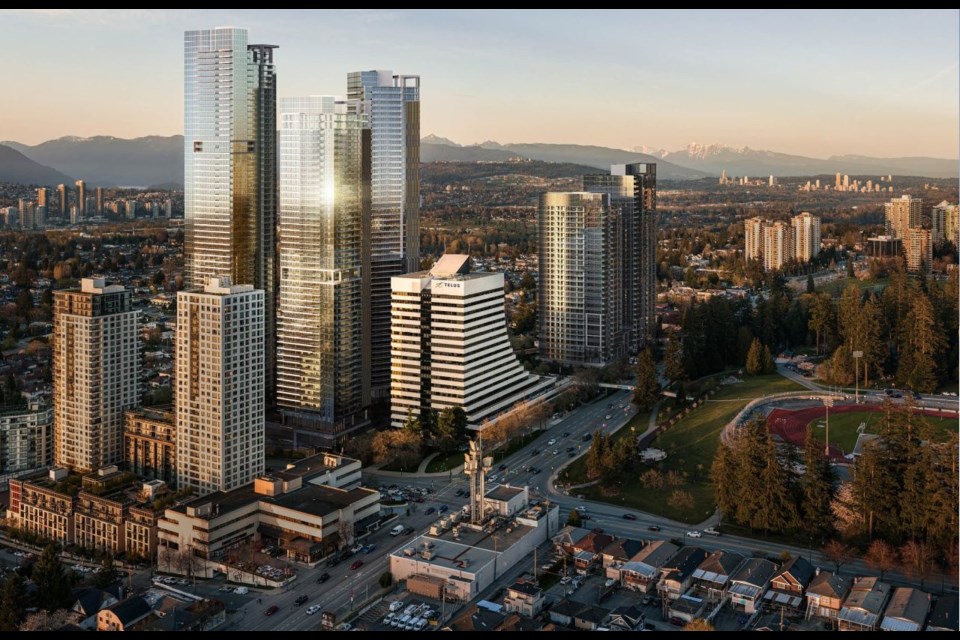
This illustration shows Vancouver stumps next to some Burnaby towers. https://www.burnabynow.com/local-news/bc-tel-boot-redevelopment-burnaby-1500-homes-900-rentals-towers-up-to-64-storeys-7957610
https://vancouversun.com/news/local-news/vancouvers-plan-to-turn-no-mans-land-into-a-destination-waterfront-park Slow-moving Vancouver, as usual.
https://vancouversun.com/feature/broadway-plan-vancouver-greatest-streets The narrowminded agenda to create more narrow & congested streets.
https://dailyhive.com/vancouver/3805-3919-nanaimo-street-vancouver-coromandel-bc-government-housing
Proper big planning should have been implemented at least a few decades ago. Now people have finally been bought out so that denser housing can be put in.
https://vancouver.ca/home-property-development/grandview-woodland-community-plan.aspx
The Broadway Station area remains a constipated mess. Stubborn people refuse to accept or be bought out, because NIMBY is the perpetual way to be in BC. Nevermind a magnificent 80 story tower, even 40 floors is too much for this constipated part of Vancouver.
The intersection of 2 Skytrain lines, but no Brentwood size towers.
The trench or cut at Commercial_and_Broadway could easily be covered over, so that big towers can go up. However, the constipated NIMBYs refuse to receive an urban enema & be pushed out. They don't want growth, because that means more non-white people in their neighborhood. But as long as they don't set up a bunch of KEEP THEM OUT signs, their agenda remains strong.
https://en.wikipedia.org/wiki/Commercial%E2%80%93Broadway_station
https://www.translink.ca/schedules-and-maps/station/commercial-broadway/map
Vancouver & the metropolitan region remains very stunted when compared to Toronto & Montreal. At least Burnaby, Coquitlam & Surrey are starting to allow a larger scale.
Boston has some of the oldest sections of subway in the USA. It's taken quite a while to make various improvements.
Of course there are bridges in and around Greater LA Area. However, it most an urbanized land mass.
Cities like Seattle, Portland, SF, NYC, Montreal, Boston & Vancouver require an extensive bridge & or tunnel system to keep each region effectively connected.
https://dailyhive.com/vancouver/vancouver-lions-gate-ironworkers-bridge-ship-collision-collapse-risk
Vancouver & the metropolitan area already has a deficit of adequate bridges. There should have been about a dozen bus & bike bridges over the past few decades. Improved existing bridges to allow for HOV lanes, but Vancouver & the greater region are too afraid to go beyond the chokepoint mentality. Apparently, congestive planning is always the best way to go in BC. There isn't enough bridge redundancy, so if anything goes wrong, the region will only get more blocked up.
https://dailyhive.com/vancouver/ironworkers-memorial-bridge-replacement
https://www.tampabay.com/news/florida/2024/03/26/florida-sunshine-skyway-bridge-disaster-collapse/
https://en.wikipedia.org/wiki/Sunshine_Skyway_Bridge#1980_collapse There is always the potential to improve safety standards.
https://en.wikipedia.org/wiki/MV_Summit_Venture#1980_Skyway_incident
Of course the Tampa+Bay+Sunshine+Skyway+Bridge returned in a new & better structure.
https://en.wikipedia.org/wiki/Sunshine_Skyway_Bridge#Replacement_bridge
https://www.cbsnews.com/news/francis-scott-key-bridge-baltimore-collapse-container-ship/
The Francis_Scott_Key_Bridge_in_Baltimore is a high & narrow structure.
https://www.cnn.com/2024/03/26/us/baltimore-key-bridge-collapse-tuesday/index.html
Unfortunately, there is always a potential for a ship to crash into a bridge.
https://www.wbaltv.com/article/baltimore-bridge-collapse-key-bridge-video/60304085
Thus, its essential to have an extensive bumper or barrier system around the pillars.
https://en.wikipedia.org/wiki/Francis_Scott_Key_Bridge_collapse
https://en.wikipedia.org/wiki/MV_Dali#2016
But sometimes a bridge will collapse without being hit by something.
https://www.freightwaves.com/news/the-deadliest-bridge-collapse-in-modern-history
https://www.history.com/news/deadly-bridge-collapses
https://therabbitportal.blogspot.com/search?q=Francis+Scott+Key+Bridge+in+Baltimore+collapses
Are people becoming like mice in a maze? Some say that the urban environment has been like a rat cace for the past several decades.
https://www.rediff.com/business/slide-show/slide-show-1-worlds-most-amazing-circular-buildings/20110720.htm It certainly makes for an interesting architectural shape.
https://en.wikipedia.org/wiki/Capitol_Records#Headquarters
https://en.wikipedia.org/wiki/Sevilla_Tower
https://newatlas.com/architecture/dubai-downtown-circle-znera-space
https://www.architecturaldigest.com/gallery/most-beautiful-skyscrapers-world
When so many BC bridges are narrow, they have to be widened, twinned or duplicated in order to have effective bus & HOV lanes.
https://dailyhive.com/vancouver/fraser-valley-metro-vancouver-regional-rail-west-coast-express
https://dailyhive.com/vancouver/translink-ttc-stm-federal-funding-request-2024-budget
https://therabbitportal.blogspot.com/search?q=Vancouver
https://medium.com/@ejasp2/metropolis-v-s-blade-runner-1982
http://www.visionsofthecity.com/alphaville.htm
There are certain Sci-Fi and noir_films that really provide interesting and concerning scenarios.
https://therabbitportal.blogspot.com/search?q=Futuristic+skylines+and+totalitarian+control+areas
The keep Vancouver small & backwards mentality has been firmly entrenched for most of its existence. Calgary & Seattle both have permitted residential floors higher than what is allowed in Vancouver.
https://dailyhive.com/vancouver/the-aster-349-east-6th-avenue-vancouver-social-housing-brightside
https://therabbitportal.blogspot.com/search?q=High-density+housing
Vancouver needs bus-bridges as much as Calgary, but of course Vancouver is slow to the party, once again. The 4 lane bottleneck, AKA the Cushing+Bridge in Calgary could have gotten the Vancouver Chokepoint Award. There aren't any HOV lanes or even emergency lanes, just 2 lanes each way. However, what transformed this BC type bottleneck in Calgary into a semi-decent crossing, was the simple addition of a bus & bike bridge. The Greater Vancouver Area should have had bus & bike bridges built next to all of the regional crossings decades ago. However, that would go against the congestive planning approach, which is so intertwined within backwards BC, but not in Alberta & Washington State.
The Pattullo Bridge replacement shouldn't require a bus & train bridge to be built next to it, but it might eventually. If only it could have been properly designed in the first place to not just have 2 lanes each way, but 2 bus & 2 HOV lanes as well. Plus, built high & strong enough with a provision to allow for LRT and trucks on a lower deck.
Unfortunately, no one seriously planned to have an express bus and an LRT line between NW & Surrey, because the Skytrain isn't a 24hr system. Overnight buses can't go on the Skybridge, because no one allowed for a provision to have a couple of bus lanes on it. Thus, the Pattullo Bridge replacement wont have any bus or emergency lanes. Even if someday the Pattullo Bridge replacement is widened from 4 to 6 lanes, there still won't be any emergency lanes and probably no bus and HOV lanes.
Light_rail_in_Sydney, NSW. Once again, BC falls so far behind. BC was so quick to get rid of its streetcars before the 1960s. Where as NSW has been gradually reinstating a modern version of their old tram lines.
New Tramways_in_Paris have been gradually added, but not in backwater BC.
Unlike NW & Surrey, Portland_has_Streetcars & the MAX train which cross the river. https://www.youtube.com/watch?v=8JvGTx4ufFo
https://www.travelportland.com/plan/portland-streetcar
MAX https://www.youtube.com/watch?v=HpfRKqy96_E
https://jfdatalinks.blogspot.com/search?q=BRT
There is just something backwards in the way that BC does things.
So many rental towers could be much taller, but the, keep Vancouver short & small mentality remains so firmly entrenched. A mixed income tower approach can offer more floors & suites for various income levels. However, curtailed buildings will simply just be more limited as to what they can offer.
BC is mostly mountainous, yet Vancouver is continually held back, due to the extreme building height restrictions.
https://dailyhive.com/vancouver/port-moody-is-now-a-transit-oriented-development-city
Port_Moody is very small, 25.85 km2 (9.98 sq mi) and isn't much larger in area than NW.
https://en.wikipedia.org/wiki/Port_Moody#Transportation
https://vancouversun.com/news/metro-vancouver-projected-to-hit-three-million-residents-this-year
https://en.wikipedia.org/wiki/Surrey,_British_Columbia
https://dailyhive.com/vancouver/bc-population-growth-immigration-2024-report
https://www.surreynowleader.com/local-news/surreys-population-1054376-by-2046-7312331
https://dailyhive.com/vancouver/metro-vancouver-population-forecast
https://www150.statcan.gc.ca/n1/daily-quotidien/220209/mc-a002-eng.htm
https://en.wikipedia.org/wiki/Surrey,_British_Columbia#Current_transportation_network
Almost 2 dozen Switzerland areas can fit into BC. Yet, BC hasn't reached the population of one Switzerland.
https://jfdatalinks.blogspot.com/search?q=Switzerland
https://therabbitportal.blogspot.com/search?q=BC
https://therabbitportal.blogspot.com/search?q=The+Vancouver+Cruise+Ship+Season
Seattle is always able to do more, simply because its not under any Vancouver type restriction or limitations.
Most of BC remains as a wilderness. Indeed, there are only a handful of major urban areas, so the wilderness isn't going away. Almost 2 dozen Switzerland's can fit inside of BC, yet BC has yet to reach the population of one CH.
https://dailyhive.com/vancouver/arthur-erickson-place-vancouver-zero-carbon-building
This could have been the first office tower in Vancouver to have at least 40 stories, but it wasn't even permitted to have 30 floors, due to imposed height limits. Calgary & Seattle never have had to endure such restrictions.
https://www.youtube.com/watch?v=BH9FU7Gd6v8
https://openai.com/sora#capabilities
https://openai.com/research/video-generation-models-as-world-simulators
Sora AI’s Problems [And Solutions] https://www.youtube.com/watch?v=cRmPlFidVkk
https://therabbitportal.blogspot.com/search?q=Simulation+Theory
https://www.straight.com/just-announced/vancouver-auto-show-2024
Well, the cancel (car) culture hasn't been able to ban such vehicles from Vancouver & BC in general, so far.
Living+in+Australia has so many perks and advantages. However, the cost of living isn't one of them.
https://www.youtube.com/watch?v=FDuvDi7LYhY
The $1BN Race to Save The Golden Gate Bridge https://www.youtube.com/watch?v=QcV1btTEAVg
A Barrier_transfer_machine has made the bridge safer.
https://www.goldengate.org/bridge/bridge-operations/traffic-management/
https://mtc.ca.gov/whats-happening/news/special-features/golden-gate-bridge-moveable-median-barrier
https://en.wikipedia.org/wiki/Barrier_transfer_machine#Permanent_locations
https://plazaperspective.com/wide-street-paradise
Wide+streets have a lot of multimodal potential, simply because of their extra width.
https://globalnews.ca/news/10222836/canadians-ditching-cars-bicycles-winter
Well, that might be a little easier in SW BC than in most of Canada.
https://therabbitportal.blogspot.com/2024/01/metro-and-subway-systems.html
https://moovitapp.com/index/p/en/public_transit-Rabbit_Hole-IzmirAyd%C4%B1n-site_257277548-1564
https://en.wikipedia.org/wiki/Animals_taking_public_transportation
https://www.thethings.com/animals-cute-public-transit-bus-train/
https://www.sncf.com/en/group/behind-the-scenes/wildlife-on-tracks
https://toronto.ctvnews.ca/bunny-living-at-toronto-subway-station-rescued-from-tracks-1.6311235
Rabbits and trains don't go that well together.
https://ville.montreal.qc.ca/portal/page?_dad=portal&_pageid=2762,3101387&_schema=PORTAL
1000_de_La_Gauchetiere has 51 floors. No other office building in Montreal has ever been permitted to reach 50 stories.
https://en.wikipedia.org/wiki/List_of_tallest_buildings_in_Montreal#Tallest_buildings
Montreal still has some taller buildings than Vancouver. However, both cities remain vertically stunted when compared to what's permitted in Melbourne, Toronto & Calgary.
https://dailyhive.com/vancouver/vancouver-view-cone-impacts-broadway-plan-cambie-street
https://storeys.com/james-cheng-the-stack-vancouver No office building in Vancouver has ever been allowed to have a 40th floor. The tallest nonresidential towers are in the 35 to 37 storey range.
https://macleans.ca/culture/building-vancouver-stack-work-life-balance/
https://therabbitportal.blogspot.com/search?q=Building+Height+Restrictions
https://www.vancouverisawesome.com/events-and-entertainment/no-fireworks-in-vancouver-for-new-years-eve-2023-8043481 Another fine example of the backward, watered down citie's mentality. Just because Vancouver gets a lot of rain, that shouldn't mean Vancouver has to water almost everything down, but it does. Throughout its existence, Vancouver has had a force or momentum to keep it as a provincial backwater. All through the decades & generations, Vancouver & BC keep adding red tape & so many regulations, which continue to stunt or truncate the place.
The City of Seattle unlike Vancouver, started to have a big city mindset in the early 1900s, especially by 1915. The Seattle_metropolitan_area is the largest in the Pacific_Northwest.
https://www.google.com/search?q=Seattle+space+needle+on+new+years+eve
While the Metro_Vancouver_Regional_District is the most populous in Western_Canada, the City of Calgary is still the largest in Western_Canada. Like Seattle, Calgary has a proper big city mentality. That mentality started to kick in during the 1960s.
https://www.google.com/search?q=Calgary+tower+on+new+years+eve
Unfortunatly, the No Fun Vancouver mind virus still occasionally reemerges.
https://therabbitportal.blogspot.com/search?q=New+Year's+Eve
https://jfdatalinks.blogspot.com/search?q=Vancouver
https://jfdatalinks.blogspot.com/search?q=BC , https://jfdatalinks.blogspot.com/search?q=Canada
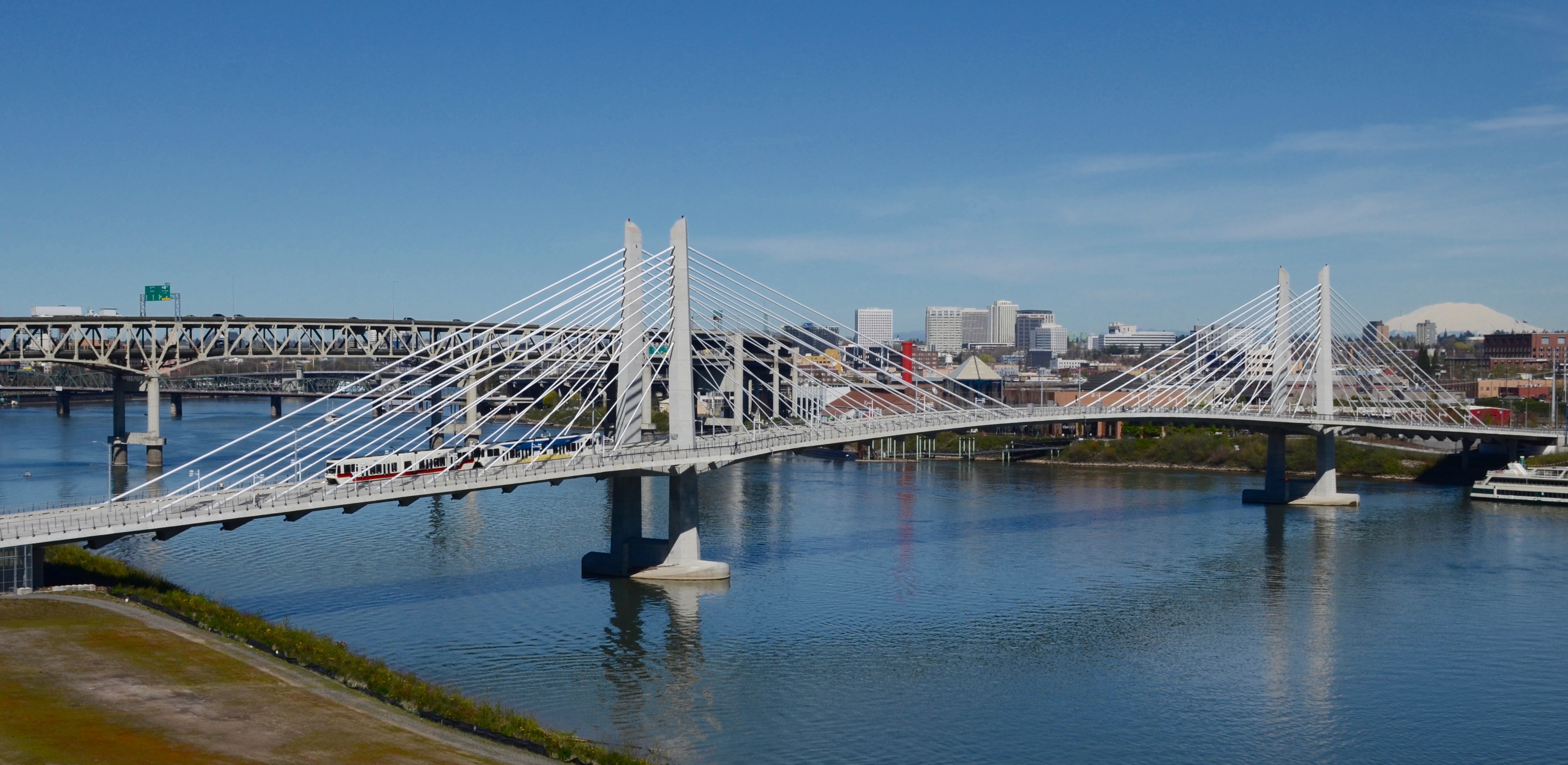
The Tilikum_Crossing is such a great bridge, that's why it's in Oregon and not in BC.
Portland's Tilikum Crossing: A Bridge for People, Not For Cars https://www.youtube.com/watch?v=VIYPA7jyELs Its a fine example of a transit bridge that Portland, OR really needed, but might never be built in Vancouver, or anywhere else in BC.
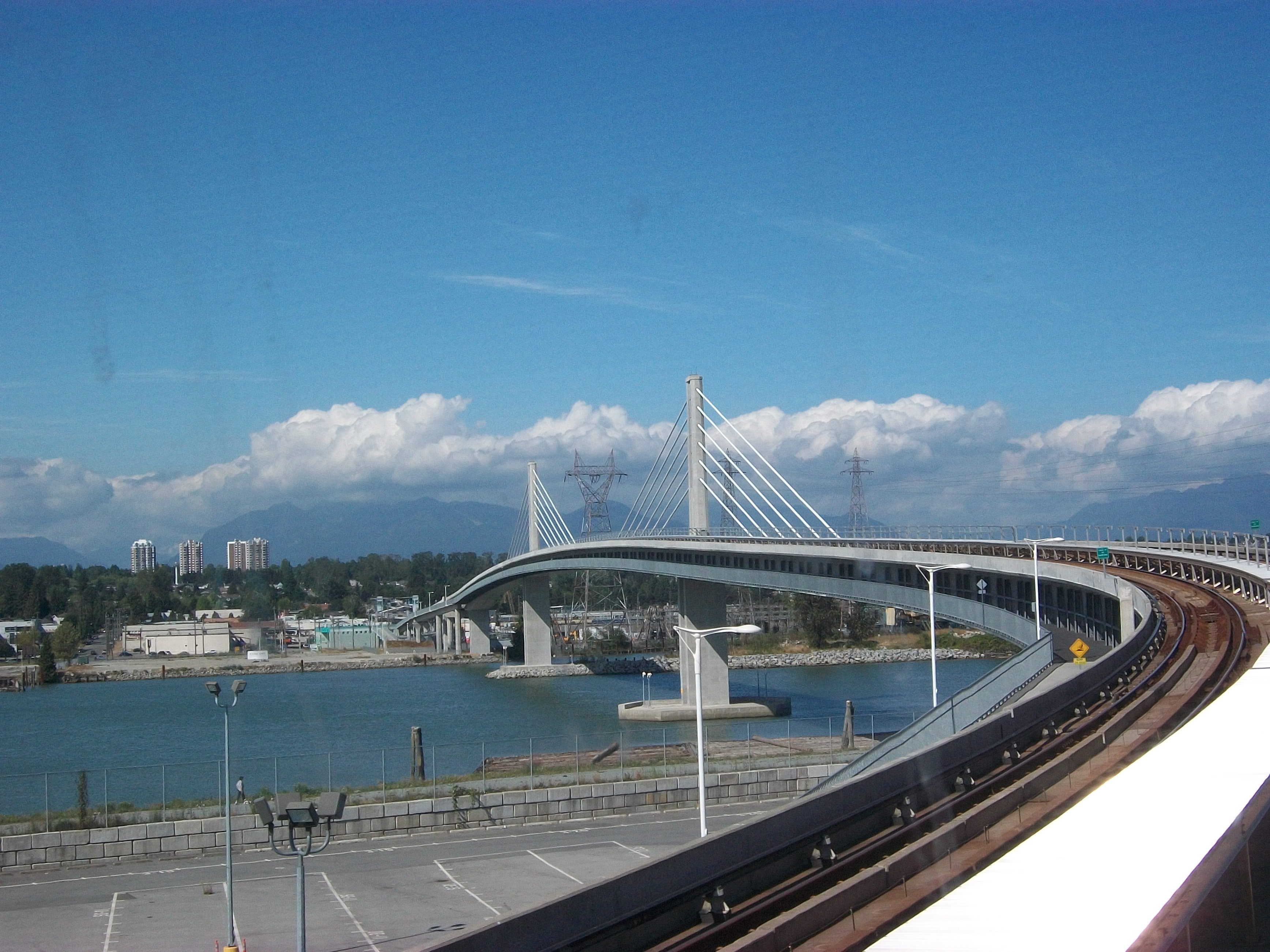
https://upload.wikimedia.org/wikipedia/commons/d/de/North_Arm_Bridge_shot_from_SkyTrain_3622.JPG
https://therabbitportal.blogspot.com/search?q=Tilikum+Crossing+in+Portland
https://biv.com/article/2023/12/vancouver-offices-face-first-tenants-market-20-years
Vancouver has the shortest assortment of office towers when compared to Seattle, Calgary, Toronto & Montreal. It's been that way for several decades.
https://thegaijinghost.com/blog/omoide-yokocho-tokyo-blade-runner-question
Japanese Aesthetics in Blade Runner Movie - NOT in the Original Philip K. Dick Story https://www.youtube.com/watch?v=DUeo2X72kJc
https://japanposter.co.uk/products/blade-runner-original-release-japanese-movie-poster-1982-b3-size
https://filmschoolrejects.com/blade-runner-anxieties-today
https://slate.com/culture/2017/09/blade-runner-s-influence-on-neo-yokio-and-other-anime.html
https://www.theguardian.com/film/2015/apr/02/blade-runner-the-final-cut-review
https://www.japantimes.co.jp/culture/2021/11/05/tv/blade-runner-black-lotus
https://cdsvinyljapan.com/products/4548967465433
https://jfdatalinks.blogspot.com/search?q=Tokyo
https://jfdatalinks.blogspot.com/search?q=Nippon+Steel-US+Steel+deal
https://therabbitportal.blogspot.com/search?q=Nippon+Steel+to+acquire+U.S.+Steel
https://dailyhive.com/vancouver/canada-federal-bill-passenger-train-prioritization
By now, Canada should have had all of its major cities connected by new passenger lines so that there would be no conflict with freight trains. All the major urban areas should already have had transit+bridges wherever there was a reluctance to expand road or highway bridges.
https://dailyhive.com/vancouver/13044-10392-king-george-boulevard-oviedo-towers-surrey
Since Surrey doesn't have the extreme control measures that Vancouver has, it will eventually become the largest city in BC.
https://en.wikipedia.org/wiki/Washington_Avenue_Bridge_(Minneapolis) 2 lanes & 2 tram-train tracks, bike & walkways.
https://en.wikipedia.org/wiki/Tilikum_Crossing 2 tram train tracks & 2 for streetcars & buses. It's just so far beyond what's allowed in BC, especially in Greater Vancouver.
Both of these bridges should have been designed to have 2 bus & 2 bike lanes each, but that actually might help to relieve some of the congestion.
https://en.wikipedia.org/wiki/Skybridge_(TransLink) In spite of the regional congestion, no bus & bike lanes became part of the design. It's a fine example of inept planning in BC.
https://en.wikipedia.org/wiki/North_Arm_Bridge No bus lanes & only 1 bike lane.
https://jfdatalinks.blogspot.com/search?q=Portland
https://jfdatalinks.blogspot.com/search?q=Tilikum+Crossing
https://therabbitportal.blogspot.com/search?q=Portland
https://therabbitportal.blogspot.com/search?q=transit+bridges
Boston is such a ridiculously small city with an area of 48.4 sq mi (125 km2) & less than 700,000 people.
"Boston is the second smallest major U.S. city in terms of land area after San Francisco that has 47 square miles." https://www.bostonplans.org/getattachment/86dd4b02-a7f3-499e-874e-53b7e8be4770#:~:text=%E2%80%94%20With%20a%20land%20area%20of,up%20the%20Commonwealth%20of%20Massachusetts.
However, the Greater_Boston Area has around 8.5 million people.
https://en.wikipedia.org/wiki/San_Francisco_Bay_Area#Boundaries
San_Francisco is slightly smaller than Boston in land area, but it has around 81% of a million people. However, the San_Francisco_Bay_Area has around 9 million people. https://en.wikipedia.org/wiki/San_Francisco_Bay_Area#Boundaries
https://en.wikipedia.org/wiki/tallest_buildings_in_San_Francisco , https://en.wikipedia.org/wiki/tallest_buildings_in_Boston
https://en.wikipedia.org/wiki/San_Francisco#Transportation , https://en.wikipedia.org/wiki/Boston#Transportation
https://en.wikipedia.org/wiki/San_Francisco-Oakland_Bay_Bridge 10 lanes
https://en.wikipedia.org/wiki/Leonard_P._Zakim_Bunker_Hill_Memorial_Bridge 10 lanes
https://en.wikipedia.org/wiki/List_of_urban_parks_by_size
https://en.wikipedia.org/wiki/Mission_Bay_(San_Diego)
https://en.wikipedia.org/wiki/Presidio_of_San_Francisco
https://en.wikipedia.org/wiki/Memorial_Park,_Houston
https://en.wikipedia.org/wiki/City_Park_(New_Orleans)
https://en.wikipedia.org/wiki/Balboa_Park_(San_Diego)
https://en.wikipedia.org/wiki/Middle_Harbor_Shoreline_Park Oakland, Cal
https://en.wikipedia.org/wiki/Lincoln_Park Chicago
https://en.wikipedia.org/wiki/Van_Cortlandt_Park NYC
https://en.wikipedia.org/wiki/Emma_Long_Metropolitan_Park Austin, TX
https://en.wikipedia.org/wiki/Assiniboine_Park Winnipeg, Manitoba
https://en.wikipedia.org/wiki/Bushy_Park London, UK
https://en.wikipedia.org/wiki/Golden_Gate_Park SF, California
https://en.wikipedia.org/wiki/Kings_Park,_Western_Australia
https://en.wikipedia.org/wiki/Stanley_Park Vancouver, BC https://dailyhive.com/vancouver/vancouver-park-board-abolition-reactions
The transit_mall is a great concept, but there is always the potential for improvement.
Nicollet_Avenue in Minneapolis, was never wide like Woodward_Ave_in_Detroit. https://www.mlive.com/entertainment/erry-2018/04/57da31c03d/woodward_avenue_detroit.html
Back in the day, there just wasn't any reason to have Nicollet_Avenue to be as wide as Canal_Street,_New_Orleans or Market_Street_(San_Francisco).
However, Nicollet_Mall should have had 2 passing lanes, instead of only two lanes. Whenever a bus breaks down or there is some emergency, half of the Nicollet_Mall can easily get blocked up.
Fortunately, Portland,_Oregon decided not to follow the Minneapolis and Vancouver, BC examples. MAX_and_bus_side-by-side_on_Portland_Mall, this is so much better than funneling everything into just 2 lanes. The Portland_Transit_Mall remains as one of the best transit corridor examples. https://en.wikipedia.org/wiki/Portland_Transit_Mall#Renovation_and_rebuilding
Granville_Street in downtown Vancouver used to be 6 lanes wide. While the initial concept of the Granville_Mall was a good idea, cramming everything into only 2 lanes became another quintessential Vancouver example of bottleneck & congestive planning. It's all part of the narrow-minded BC mentality.
https://en.wikipedia.org/wiki/Granville_Mall,_Vancouver Of course right at some crucial blocks, the 2 lane segments provide great spots for congestion, all by design. Whenever a bus breaks down or there is some emergency, there isn't a passing lane. Thus, one side of the street remains blocked until the bus can be towed away. Of course it was considered to be a wise decision to have so many bus routes funneled through such a narrow corridor & then remain stubborn about improving the situation.
Reducing the downtown section of Granville_Street from 6 lanes to 4 would have allowed passing lanes for busses & the sidewalks could have still been widened. Plus, it would have been so much easier for emergency vehicles to get through as well. Unfortunately, Metro_Vancouver is all about creating congestion & inefficiency.
If one side of the street has a bus breakdown & the other side has some emergency requiring a bus to remain parked, there isn't an extra couple of lanes for emergency vehicles to pass on some blocks of Granville_Street. Again, it was deemed essential & appropriate to have such a bottleneck on what is suppose to be a high volume bus corridor.
https://therabbitportal.blogspot.com/search?q=The+Transit+Mall
Should it become Vancouverized like the 2 lane Granville Mall bottleneck?
https://downtownseattle.org/advocacy-initiatives/third-avenue-vision/
If the 4 lanes are reduced to 3, the sidewalks can be widened & Seattle can still have a bus corridor that's wider than the one in Vancouver.
https://cdn.downtownseattle.org/files/advocacy/dsa-third-avenue-vision-booklet.pdf
https://downtownseattle.org/2019/01/third-avenue-vision-moves-forward/
https://downtownseattle.org/advocacy/transportation-access/



#/media/File:Woodward_Ave_Detroit_1942.jpg)


.jpg)

