https://www.youtube.com/watch?v=62PlMN_mzSg
https://www.metro.net/projects/sepulvedacorridor/
https://en.wikipedia.org/wiki/Sepulveda_Transit_Corridor
https://www.latimes.com/opinion/story/2026-01-20/sepulveda-pass-transit-future
UTL is about exploring past, present and future urban technologies in science and fiction, etc...
(service disruption ends after 14 hours) https://dailyhive.com/vancouver/skytrain-canada-line-service-disruptions-january-14-2026
For a rapid transit line that opened in 2009, on the surface, it sure wasn't designed to be an efficient high capacity line for the future. It's still just a 2 car joke of a train. Fortunately, most real cities around the world planned for not only 6 car trains, but even 8-10 car trains.
Unfortunatly, Vancouver has been hit very hard with a multigenerational agenda of continually imposed small scale infrastructure. Vancouver has water on 3 sides, as its on a peninsula. Since the powers that be couldn't build a Boundary+Road moat or trench, the next best thing was to symbolically show the reluctance to build proper big city size infrastructure. This stunted approach to things is about symbolically holding the scale of the city back for as long as possible.
Despite backwards Vancouver not being able to apply a castle-moat-and-drawbridge control system, the next best thing was to symbolically keep things smaller than what normal or proper big cities allow.
Here are some of the best examples of holding the size of things back. The 3 lane joke that is the Lions+Gate+Bridge has never had a rapid transit rail tunnel and no express bus tunnel next to it. Especially, no 6 lane highway tunnel. It's a classic BC bottleneck-chokepoint, by design.
From a 3 lane joke of a bridge to a two car Canada+Line joke of a train. It met the symbolic requirement to be shorter than the LRT in Edmonton, the C Train in Calgary and the trains in Seattle and Portland.
The+Post+building+complex could have been Vancouver's first 50 story office tower, it's not even 25 floors. It would be impressive if it were in Victoria, Kelowna, Kamloops or Prince George. That's the unfortunate thing about Vancouver, so much is done to only be impressive to small cities or towns.
https://jfdatalinks.blogspot.com/search?q=The+small+Westin+Bayshore+Hotel+in+Vancouver
Things have been kept so small in Vancouver throughout its history, that any big city stuff might seem overwhelming. There has been an unofficial KEEP THEM OUT mentality, but since the city cant have checkpoints, building things small symbolically demonstrates the perpetual reluctance to not allow a big city in backwater BC.
Since Vancouver can't control Burnaby and can't stop Surrey from eventually becoming the biggest city in BC, they are able to build things on a larger scale than Vancouver.
https://www.youtube.com/watch?v=hfQTjvFFMUY
The Biggest Pain Point of Calgary's CTrain (and how to fix it for less than the cost of a subway) https://www.youtube.com/watch?v=ObWf2SwO-OY
The Evolution and Review of the Calgary C-Train https://www.youtube.com/watch?v=th44KLfAwJA
https://dailyhive.com/vancouver/translink-vancouver-transit-centre-bus-depot-acquisition-expansion
Of course there still seems to be no plan to build a bus and bike bridge next to the Arthur+Laing+Bridge.
Unfortunatly, the embarrassment that is the Canada+Line wasn't designed to eventually have 10 car trains, not even 5. It's stations can only accommodate a ridiculous 2.5 car train, some day. Thus, any bridge to and near the airport should be augmented with a bus and bike bridge. Especially since the C Line isn't open 24 hours. Apparently, it's better to just cram everything into the ridiculously narrow 4 lane bridges.
https://vancouversun.com/news/local-news/vancouver-neighbourhood-next-broadway-plan-treatment
Most of BC is wilderness and there are only a handful of potential big urban areas in BC.
https://dailyhive.com/vancouver/rupert-and-renfrew-station-area-plan-vancouver-final
The Greater Vancouver Region has been held back for several decades. Of course affordable housing should be part of the overall growth plan. All of BC still has less people than just the Greater Toronto Area & Canada has yet to have even just 1% of the world's population.
The 3 lane Lions+Gate+Bridge and the 2 car joke that is the Canada+Line are fine BC examples of the reluctance to build proper big city size infrastructure. There should have been at least 2 bus tunnels & 2 HOV tunnels near the LGB. If the C Line couldn't have 10 car trains, the stations should have at least been designed to accomodate 5 car trains, not an eventual 2.5 car joke of a train. There also should have been a train tunnel near the LGB by now, but that's what a proper big city would have done.
By the 1920s, Montreal, Toronto, Melbourne, Sydney, SF & LA, all knew that they were going to be major cities. Unfortunatly in the 2020s, Vancouver is still stuck with a 3 lane Lion Bridge and a Canada embarrassment Line with only 50m stations. The Montreal Metro has 152.5m stations. Most real cities by now would have at least built a 4 lane bus & HOV tunnel & a commuter train tunnel near the LGB.
Despite being a cost cutting measure, the Canada embasement Line still should have had the provision to eventually have 10 car trains. Unfortunatly, the underbuilt line between Vancouver & Richmond wasn't even designed to have 5 car trains. Indeed, the joke that is the C Line has stations designed to only have 2.5 car trains, someday. The first 2 SkyTrain lines only have 80m stations, which can just barely accomodate a 5 car train.
For a line that first opened in 1985, it took until 2025 to try to start running 5 car trains of the latest generation of rolling stock. Considering that Greater Vancouver has a narrower road network than Montreal, the SkyTrain stations should have been designed to accomodate 10 car trains.
While the Alstom_Mark_V vehicles look nice & modern, a 5 car train is a half-length reminder of how much nicer & better a 10 car train would look.
Just because the SkyTrain is considered to be a Light Rail Vehicle, there still should have been a provision to eventually have the stations to be as long as the longest ones on the Montreal Metro. The Montreal Metro has 500 foot or 152.5m long stations, which can accomodate a 9 car train. Unfortunatly, the first 2 SkyTrain lines only have 80m stations, which are just barely over half the length of the longest STM stations. https://www.stm.info/en/info/networks/metro
https://en.wikipedia.org/wiki/Societe_de_transport_de_Montreal#Connections_to_other_transit_services
https://en.wikipedia.org/wiki/Montreal_Metro#Rolling_stock
https://en.wikipedia.org/wiki/MR-63#Design While a 3 car joke of a train was possible, a 6 & especially a 9 car train is able to efficiently move more people around.
https://en.wikipedia.org/wiki/MR-73
3 cars per trainset, operating as 6- or 9-car trains
https://en.wikipedia.org/wiki/MR-73#Construction_and_entry_into_service
Apparently, in order to reduce construction costs, the first 2 SkyTrain lines have stations that are only 250 feet. Half the length of a 500 foot long Montreal train, but BC usually takes the half-assed option with its small-scale of infrastructure development.
https://en.wikipedia.org/wiki/SkyTrain_(Vancouver)#UTDC_ICTS_Mark_I_fleet "The maximum based on current station platform lengths is a six-car configuration, totalling 76.2 metres (250 ft)."
https://en.wikipedia.org/wiki/MPM-10 (9 articulated cars per train)
| Train length | 152.43 m (500 ft 1+1⁄8 in) |
|---|
https://en.wikipedia.org/wiki/MPM-10#History Approximately, a 500 foot train divided by 9 cars = 55.55 feet, or just under 17m.
Despite the SkyTrain cars not running on rubber tires, each 55 ft. coach is very close in length to the 55.6 ft Montreal Metro coaches.
https://en.wikipedia.org/wiki/Innovia_Metro#Vehicle "The second generation Innovia ART 200 cars are 16.7 metres (54 ft 9
+1⁄2 in) long each and come in articulated pairs."https://dailyhive.com/vancouver/yvr-worlds-best-airports-accessibility
Unfortunatly, the YVR-Airport_station has one of the shortest & narrowest stations of any major airport.
https://upload.wikimedia.org/wikipedia/commons/0/00/Vancouver_Airport_Skytrain_Station_2008-04-22.JPG All of the C-Line stations should have been designed to ultimately accomodate 10 car trains, at least 8 car trains. This picture shows what a 4 car train could be like. Unfortunatly, its only two, 2 car trains. Ridiculously short 50m stations can only accomodate a 2-2.5 car train, not 4 or 5, let alone 8-10 cars. Combine this with mostly very narrow bridges in the Greater Vancouver Region and you see congestion or bottleneck planning at its best in backwards BC.In true lack of a big vision for BC, the YVR-Airport_station_Platform is so narrow & short that only 1 train at a time can stop on the very short single track station. While such small-scale train infrastructure would be impressive for Victoria, Kelowna, Prince George & Kamloops, it's hardly impressive to Seattle, WA and Perth, WA.
https://www.yvr.ca/en/passengers/transportation/public-transportation
https://thecanadaline.com/station-guides/yvr-airport/
https://www.translink.ca/schedules-and-maps/station/yvr-airport/schedule
Being from backwards BC, it's amazing to see how several major airports will have at least a double track airport train station. The Portland_Airport_MAX_station is another one of them. https://en.wikipedia.org/wiki/Portland_Airport_station , https://en.wikipedia.org/wiki/MAX_Red_Line
Ideally, the+airport+train should be more than a 2 car joke. Even 4 car trains should be able to stop at stations with enough future clearance to accomodate 6 car trains.
Using the limited funds and low capacity argument is excrement! It's only because of inept urban planning that the Canada+Line is such a transportation embarrassment & sad joke since 2009. Several other cities around the world are able to think big, they plan & build in a long-term way. Thus, if there are only enough funds to build a 2.5 car train, the stations could have been designed to eventually accomodate 5 car trains as demand increases. Plus, all the stations should have been designed with enough clearance to gradually be long enough for 10 car trains.
An ultimate capacity of 10 car trains connecting both ferry terminals with the airport & downtown Vancouver, would really have been properly planning for the future. 10 car trains running every 2 minutes during the busiest times of the day would efficiently allow a lot people to get around. Unfortunatly, it will be challenging enough just to eventually have 5 car trains.
https://dailyhive.com/vancouver/canada-line-skytrain
The absurdity to design the stations to only handle 2.5 car trains is a sad joke. The ultimate capacity of two 20m cars with a 10m filler car is so inadequate & pathetic, but this is the BC part of Canada. This backwards & backwater thinking must be challenged.
https://dailyhive.com/vancouver/skytrain-future-station-locations
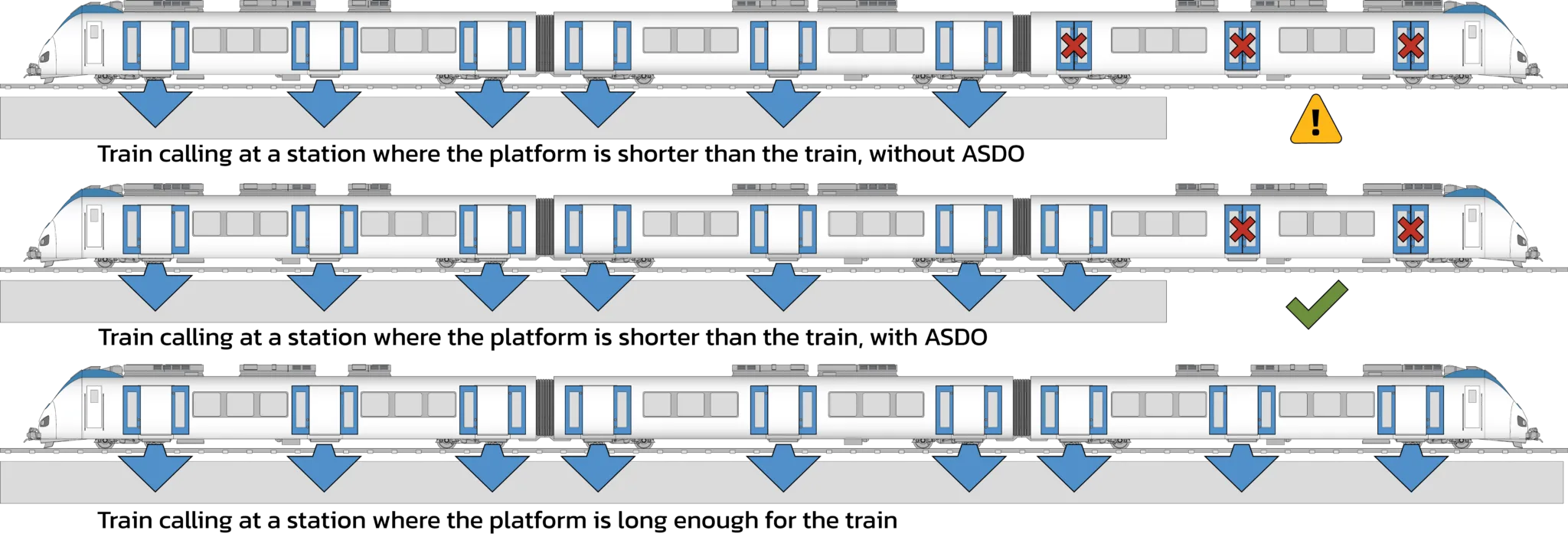
With some modifications, three 20m cars could form a 60m train, despite the absurd platforms only having a clearance for 50m. A 60m walkthrough train makes this possible, its just that the doors at either end wouldn't reach the short station platform. Selective_door_operation could enable the Canada Line to go from a 2 car & 2.5 car joke, to a 3 car & ultimately, a 5 car train. That's still a far cry from cities with 10 car trains running every 2 minutes. However, a 5 car train running every minute could make all the difference for Greater Vancouver.
https://www.cbc.ca/news/canada/british-columbia/what-you-need-to-know-north-shore-wastewater-treatment-plant-1.7235368# Aparently, there is enough money to overpay for a $HIT-PIPE and a $HIT-BOX, but not enough funds to build a proper high capacity train over a couple of decades.
The Canada_Line opened in 2009 with its short 2 car trains & in 2025, there still aren't any 2.5 car trains. By now, it really should have been running 5 car trains, connecting the 2 ferry terminals & the airport. Fortunately, most real cities are able to do proper long range planning for their infrastructure, unlike backwards Vancouver.
https://en.wikipedia.org/wiki/SkyTrain_(Vancouver)_rolling_stock#Canada_Line_fleet
Any serious airport+train should be envisioned as more than just a 2 car joke. While a 3 car train might be a little better, a 4 car train should be the minimum. Then, having the stations already long enough to accomodate 6 car trains, with enough clearance for eventually 8-10 car trains. A 2 car joke of a train is almost as bad as the 3 lane Lion Bridge.
There should have been enough informed people to not only make sure that the C+Line was properly designed, but that the whole Greater Vancouver Region had proper planning measures for future transportation infrastructure capacity. Unfortunatly, backwards BC has been under a multi-generational backwater agenda.
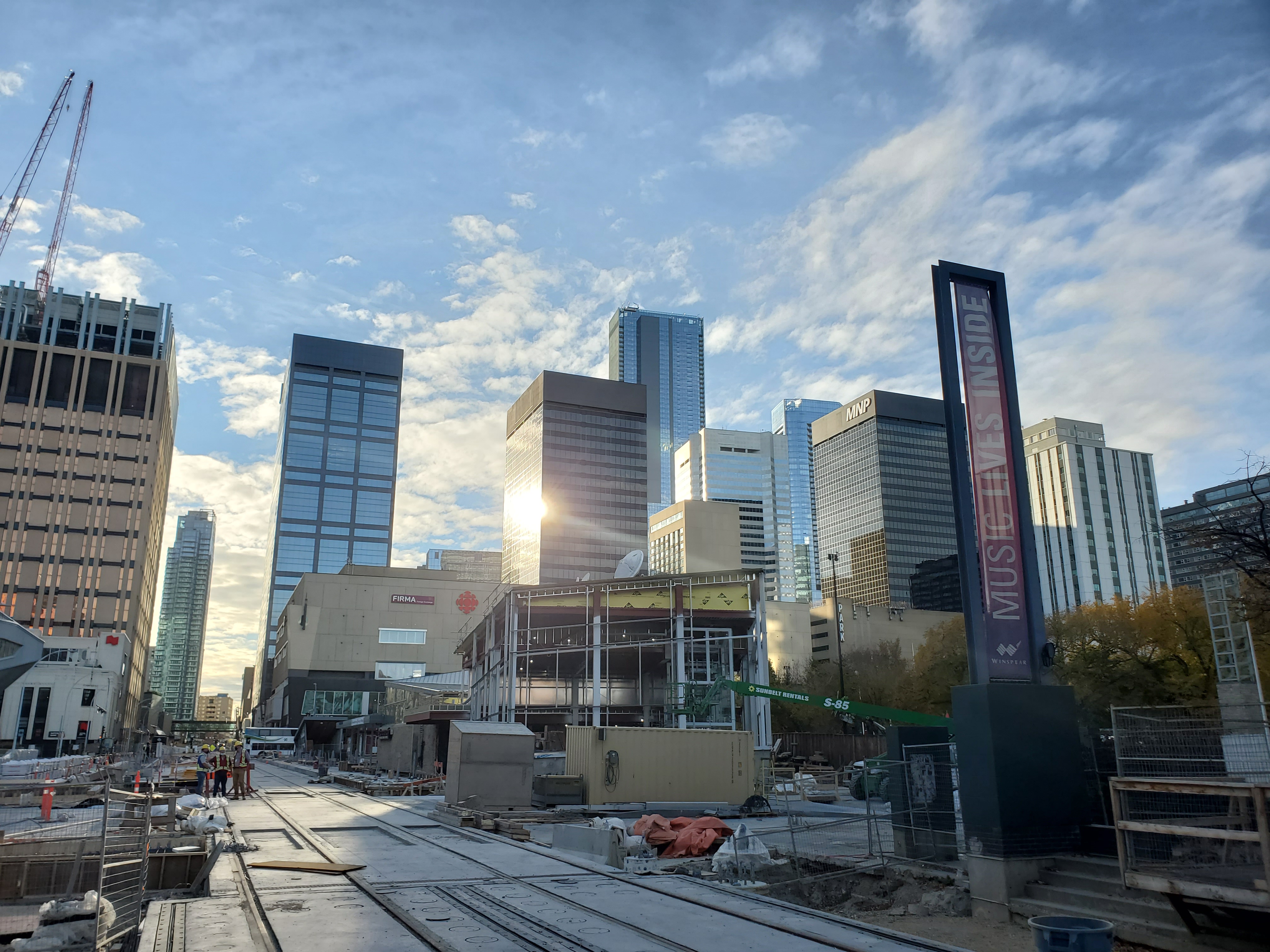
https://en.wikipedia.org/wiki/Valley_Line_(Edmonton)
https://en.wikipedia.org/wiki/Valley_Line_(Edmonton)#Valley_Line_Southeast
https://en.wikipedia.org/wiki/Churchill_station_(Edmonton) A nice, long underground train station with a surface line connecting station above it.
https://majorprojects.alberta.ca/details/Valley-Line-West-LRT/3692
https://en.wikipedia.org/wiki/Valley_Line_(Edmonton)#Valley_Line_West_(under_construction)
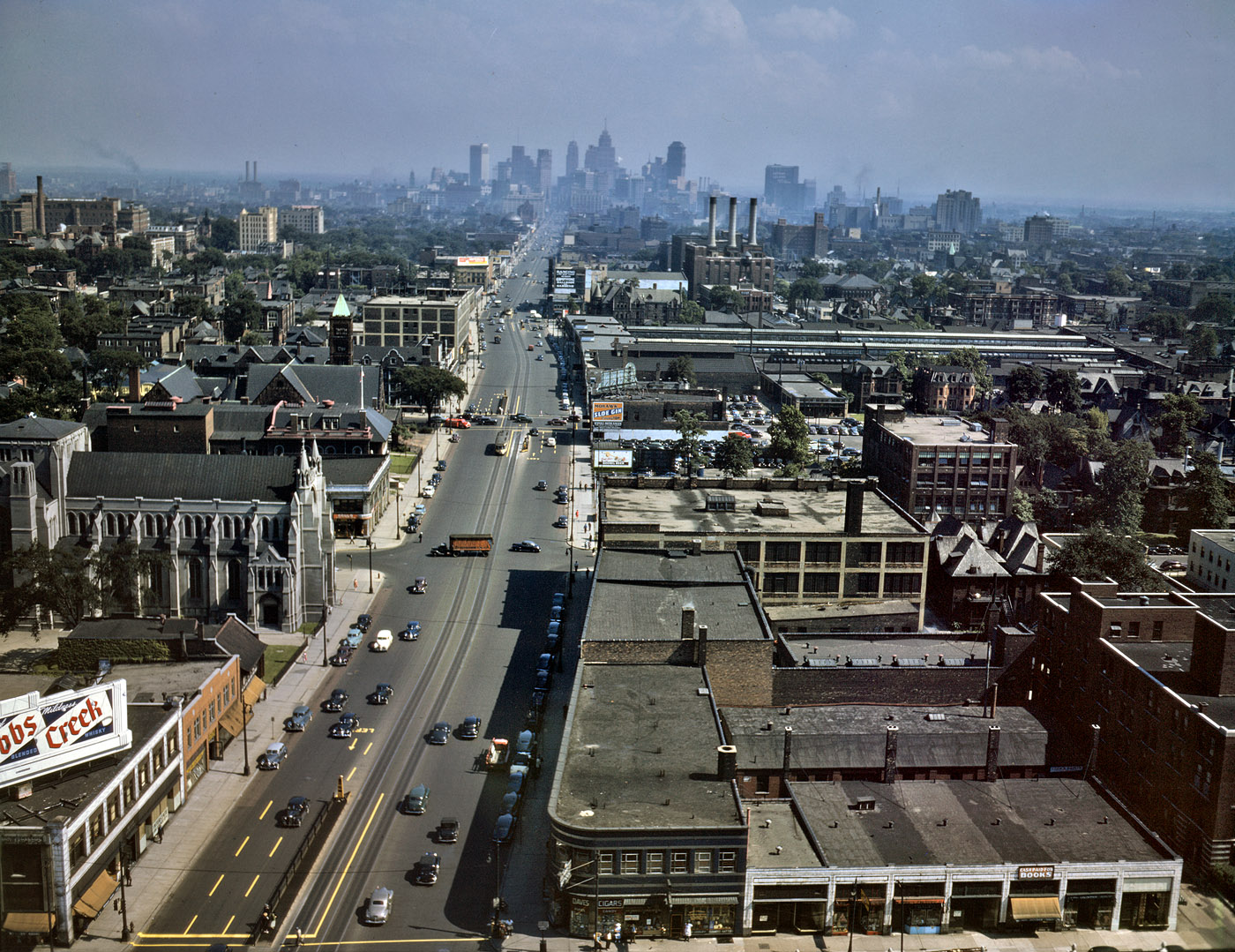
https://www.reddit.com/r/Calgary/comments/bkevpf/memorial_drive_year_1900 Wow, one waggon road each way back then. If it were possible in the 2020s, Vancouver would like to go back to one waggon road each way.
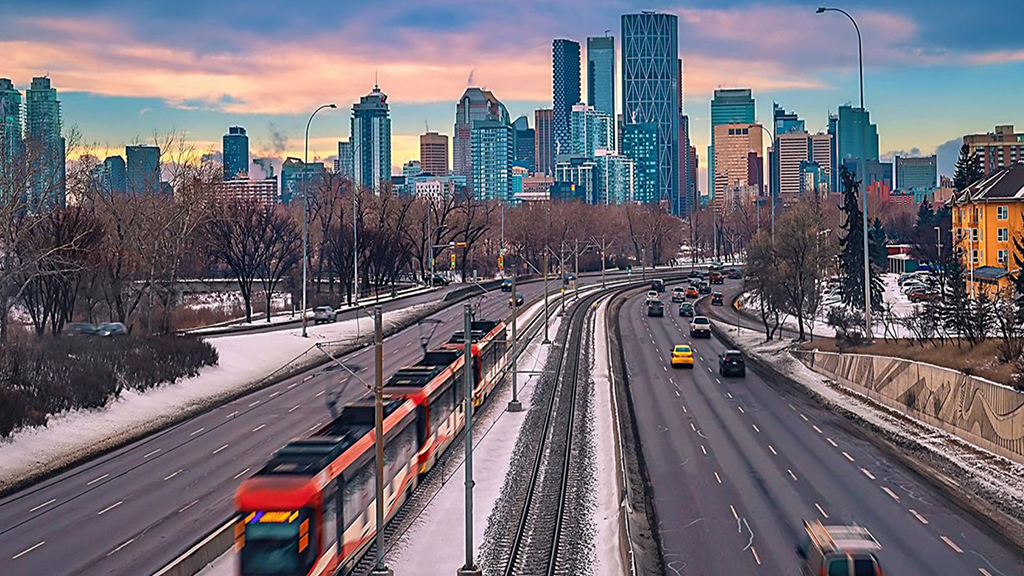
https://cc-production-uploads-bucket.s3.amazonaws.com/uploads/2025/01/Calgary-courtesy-of-City-of-CalgaryMainWEB.png This is what Cambie Street in Vancouver could have become. Especially, since the Canada embarrassment Line was only designed to have 2.5 car trains. At least there should be an express bus line along Cambie. Eventually, there still might have to be an LRT line just south of the Cambie+Street+Bridge to Richmond. It would have been better to just build the Canada embarrassment Line to eventually handle a 5, 7 & 9 car train, not a 2.5 car joke of a train.
Sarcastically...
At least no one from Vancouver has been able to convince Winnipeg to reduce Portage_and_Main to 4 lanes or even just 2 waggon roads in width.
https://upload.wikimedia.org/wikipedia/commons/f/f1/Portage_and_Main_as_seen_from_Portage_Ave_Eastbound.JPG Wow, 5 lanes in 1 direction is very tough to find in Vancouver. Being from Vancouver, its difficult to comprehend how so many cities around the world have such wide streets & boulavards.https://en.wikipedia.org/wiki/Arc_de_Triomphe
So far, Vancouver hasn't sent a delegation to Paris advising that The Avenue des Champs-Élysées should be turned into a width of only 2 or 4 waggon roads.
https://upload.wikimedia.org/wikipedia/commons/6/6d/Avenue_des_Champs-%C3%89lys%C3%A9es_July_24%2C_2009_N1.jpg Several wide streets around the world were done in the horse & waggon era. Thus, wide streets weren't for cars & trucks, they were part of a symbolic bustling city.https://www.vancouverisawesome.com/highlights/capstan-canada-line-station-in-richmond-to-open-friday-9984359 Why design the old & new stations to eventually accomodate 8-10 car trains? The Catheter Line wasn't even designed to officially accommodate enough space for 5 car trains. Thus, in accordance with the BC antigrowth mentality or slow growth agenda, the stations were only designed to eventually just have 2.5 car trains. However, even in 2025, the Catheter Line will still only be using 2 car trains. All the SkyTrain stations should have been designed to eventually be 150.5 meters long, just like the Montreal Metro stations, with even more long-term provisions. Unfortunatly, the first 2 lines only have 80m stations & the C+Line only has a clearance for 50m stations.
https://dailyhive.com/vancouver/skytrain-capstan-station-canada-line-opening-date
The Vancouver_City_Centre_station is diagonally across the street from The+Bay+Building+in+Vancouver. However, despite being what is supposed to be a major underground station, its noticeably smaller than the underground train stations in Edmonton & Seattle.
It's been very difficult to get urban planners in BC to properly plan for future transportation demands. The main excuse is governmental budgetary constraints. Even if that's usually the case, at least build half the length of a proper size urban station, with a provision to eventually double or triple its length, for future demand. However, that would go against the Greater Vancouver congestion planning mentality. Thus, even if you have the skills, once you get to BC, you realize that several things are watered down & you must think small or backwards.
https://bc.ctvnews.ca/video/c3050886-metro-vancouver-facing-population-boom With the Metro-Vancouver-population-expected-to-reach-4-million-by-2045, BC is so unprepared & inept, as usual. https://www.kelownacapnews.com/news/metro-vancouver-expected-to-push-past-4-million-by-2045-as-growth-accelerates-7717888
There seems to be an outright refusal in the Metro Vancouver Region to avoid building up to the same level of infrastructure as when Greater Toronto, Greater Montreal, Greater Seattle, Greater Sydney, Greater Melbourn & the SF Bay Area, all exceeded 4 million people.
Going into 2025, the SkyTran will still only have 2-4 car trains, not counting the old Mark 1 rolling stock. By 2025, every SkyTrain should have consisted of 6-8 car trains, not the two-car & four car congested joke that it is.
There is no valid reason as to why the Greater_Vancouver Region can't eventually have an urban train system on par with the Montreal Metro & a regional train system that's as good & frequent as the GO Trains or the Caltrain.
The refusal to build proper bus & truck bridges to help the mostly narrow bridges, still seems to be a half-assed pipedream. Yet, the GV Region pretends that it will eventually have a good Rapid Bus Network without bus-bridges.
While the GV Region is supposed to be a major seaport, there is still a false_front approach to things. How can this false-front & half-ass approach still be the norm in backwater BC? Not only should all the freight-train bridges be at least double tracked, there should also be truck port bridges.
The Oak_Street_Bridge, Knight_Street_Bridge & the Queensborough_Bridge are all so narrow, there is no room for truck & bus lanes. Therefore, a truck & bus bridge should be built next to all of them. Otherwise, everything can just continue to be funneled into only 2 lanes each way.
Of course the Arthur_Laing_Bridge wasn't designed to have 2 bus lanes & 2 truck lanes. Yet, a lot of trucks have to be able to get in & out of YVR. Why have any bus lanes when busses & trucks can all be funneled into only 2 lanes each way? Even though the C-Line doesn't run 24hr a day, the North_Arm_Bridge should have had two 24hr bus lanes & 2 bike lanes & a provision for a middle track. Instead, the narrow North-Arm-Bridge only has 2 tracks & just 1 bike lane.
Fortunately, watered down Greater Vancouver & backwards BC hasn't been able to get most place around the world to adopt such a ridiculously reduced infrastructure approach to things.
The 3rd line should really be called the YVR-Canada+Line.
Officially, there is no A Line, B Line or C+Line, but that seems OK for backwards BC.
https://dailyhive.com/vancouver/fifa-world-cup-vancouver-hotel-tax-costs
https://vancouver.ca/streets-transportation/bus-network-improvements.aspx With so many narrow streets, its difficult to have a proper network of bus-lanes, especially on the bridges.
https://visionzerovancouver.ca/2024/07/10/take-action-add-bus-lanes-to-translinks-priority-routes Unfortunatly, most of the bridges in the Greater Vancouver Region are just too narrow. There was no logic to have enough extra width for future bus-lanes and HOV lanes.
https://www.biv.com/news/transportation/vancouver-new-dedicated-bus-lanes-translink-2024-9267523
Unless there is a regional network of new bus-bridges, Greater Vancouver will remain in a bottleneck or chokepoint nightmare. Stuck with only a half-assed express or BRT attempt. I suppose that would be impressive to Kelowna-Victoria-Prince+George-Kamloops (K-V-PG-K) standards. Unfortunatly, those aren't big league cities.
Of course the 3rd line, or the YVR-Canada-Line or the Canada (embarrassment) Line, still hasn't been expanded up to a 2.5 car train, let alone having 5 car trains. Right from the start, the trains should have consisted of at least three, 20m coaches, with a provision for 6 car trains. Apparently, because of budget cuts, the station platforms weren't built to be 60-100m long in the first phase, they are only a 50m joke.
The stations could have been roughed out to initially accomodate 3-4 car trains and eventually, 8 car trains. 8 x 20m= 160m. The Montreal Metro stations were built to accommodate a 152.5m train. Fortunately, Quebec doesn't have anything like a backward BC planning mentality to hinder it.
The YVR-Canada (embarrassment) Line doesn't have to be stuck as a symbolic example to not properly plan & build for longer trains in BC. This 3rd Metro-Vancouver rapid transit line doesn't have to be stuck with a 2.5 car train buildout. The incredibly short stations should be extended to 60m, which could accomodate a proper 3 car, walkthrough train. Then, with Selective_Door_Operation Technology, a 3 car train can become a 5 car train of 100m. Then, only the middle 3 cars would directly have access to the YVR-Canada-Line station platforms.
Unfortunatly, due to the shortsighted planning mentality that is Vancouver & BC, the underground stations don't have enough level clearance to be lengthened to 152.5m or 500 feet, like the Montreal Metro stations, which can accomodate nine, 55 foot cars. At least a 5 car, 100m or 328 foot train is still possible in short-minded Vancouver.
For some strange reason, the YVR Canada+Line wasn't designed to eventually provide a link beyond the Vancouver_International_Airport to Waterfront_station. Indeed, a 2nd phase of the inadequate line should have connected Waterfront_station with the Park_Royal_Shopping_Centre and the Horseshoe_Bay_ferry_terminal. Then the 3rd phase to connect the YVR-Airport_station with the Tsawwassen_ferry_terminal.
Like the Catheter Line, the George_Messey_Tunnel was designed to be inadequate, right from the start.
The George_Massey_Tunnel should have had at least 2 wide emergency lanes for future truck or HOV lanes. Plus, there should have been another tunnel section to accommodate a future express or rapid bus corridor & 2 tracks for a light rail train. Instead, cars, busses & trucks were all funneled into a 4 lane chokepoint. Ironically, over the past few decades, a bus & train tunnel or bridge should have been built, at least.
Express Bus lanes or Rapid Bus lanes vs. HOV & Truck lanes. Any bus lane has the potential to move many more people than any HOV lane. Any major port city & metropolitan area should have a truck lane as well as a bus lane. Thus any HOV lane would be more efficient in bussing people & trucking payloads.
Of course the new George_Massey_Tunnel still won't have a provision for a train section. No emergency lanes, but 2 bus lanes in addition to only 3 general lanes each way. Once again, backward BC gets its wrong. Greater Vancouver is suppose to be a major seaport. Unfortunatly, the new tunnel will only have 4 lanes each way & no HOV or emergency lanes, of course.
Even if there are only 3 general lanes each way, there should have been a provision for a truck lane in addition to a bus lane each way. That would be at least 5 lanes each way, but no emergency lanes & still no provision for 2 train tracks either.
Thus, the new tunnel will eventually have to have a bus & train bridge or tunnel next to it. That would allow the tunnel to have 3 general lanes each way & 1 HOV lane each way. A rapid bus & rail corridor would ensure 24 hour high capacity transit, even when the YVR-Canada-Line is shutdown overnight.
Unfortunatly, none of the 80m & 50m SkyTrain stations were designed to have 4 tracks. That would have allowed for a proper express & local train system. The BC mentality seems to be about keeping the trains as well as the roads inadequate to meet future high transportation demands.
The LG Bridge in Vancouver should have had bus, HOV & train tunnels near it decades ago. Surrey_and_Richmond also should have had proper bus, HOV & train tunnels, decades ago.
Why have 3 sets of tracks like the O'Hare_station in Chicago? Or, have at least have 2 tracks like at the SeaTac/Airport_station. The small-scale YVR-Airport_station just has a single track to make congestion more likely. The Vancouver_International_Airport should have had at least 4 long runways by now.
The multigenerational backwater BC mentality is a combination of overlapping restrictions and a, keep it small or backwards agenda. Why plan and build like a big city, when Vancouver can mostly do things that are only impressive to smaller places like, Kelowna-Victoria-Prince+George-and-Kamloops?
Short trains, mostly stumpy buildings and mostly narrow bridges, provides powerful symbolism for the antigrowth agenda. Building up proper size infrastructure is the opposite.
https://dailyhive.com/vancouver/skytrain-oakridge-41st-avenue-station-upgrade-design-renderings
Despite the absurd cost-cutting measures, the Canada+Line still could have been designed & built to eventually have 152m long stations, like the Montreal Metro. However, Vancouver & BC are all about inadequate or congestive infrastructure. Planning for a future high capacity train line goes against the backward BC mentality. Thus, all of the underground train stations are shorter than those in Edmonton, Seattle, Toronto & Montreal. Having proper big city long stations isn't a problem for real cities, but Vancouver wants to be more like a false front or a movie set.
https://thecanadaline.com/station-guides/oakridge-41st
LA & SF have their versions of a C-Train or an Edmonton LRT, but they also have proper big city size subway stations & trains.
The entire SkyTrain-and-Canada+Line should have been built with a provision to eventually have 172m long stations, or at least 152m. While the elevated stations could somewhat be lengthened, it's much more difficult & costly for the underground stations. Had they already been roughed out, it would have just been a matter of eventually completing them.
https://www.google.com/maps/place/Oakridge-41st+Avenue The edge of the ridiculousley short train platform. This joke of a train really should have been designed to eventually accomodate 8-10 car trains. However, that would go against the multi-generational, KEEP THINGS SMALL OR BACKWARDS IN BC mentality. Apparently, even having 4-6 car trains would be too symbolic of recognizing urban transportation growth in backwater BC. Thus, a 2 car joke of a train, which can eventually become a 2.5 car train, was decided to be enough.
https://www.google.com/maps/place/Oakridge-41st+Avenue At least some of the absurdly short underground stations are level enough to potentially be doubled in length, but not tripled.
This lack of funding just conveniently fits in with the multigenerational mentality or agenda to perpetually implement congestive urban planning in BC.
In the 1950s & 60s, there just wasn't any concept in Greater Vancouver to have wide emergency lanes & a provision for future express bus lanes. Thus, all the bridges & the D. Island Tunnel were instant bottlenecks or chokepoints.
Then in the 1970s & 80s, instead of admitting that all of the regional crossings are inadequate for providing express bus & HOV lanes, things just kept on going the wrong way. There was no incentive to build proper bus & HOV bridges to help the congested crossings. That's because such new infrastructure would actually improve the regional transportation system.
In the 1980s, the first SkyTrain line should have been designed to eventually allow for 152.5m long stations, just like the high capacity Montreal Metro stations. Instead, the first 2 SkyTrain lines were designed to only have 80m short stations.
Then the 3rd line, the C Line or the embarrassing Canada Line, was designed to only have 50m stations. If the argument to have half size or one 3rd size trains was due to construction budget limitations, the stations could have still been designed to eventually allow for 153m long trains. However, that would go against the backward congestive BC approach to infrastructure.
Why allow for a 10 car train that could someday link YVR to both of the ferry terminals? Apparently, it was much better to just have a 2 car joke of a train between Vancouver & Richmond. Why build a bus & HOV tunnel next to the LG Bridge, when everything can just be squeezed into an inept 3 lane crossing? Why build a bus & HOV bridge next to the Oak & Knight Bridges, when they can remain as 4 lane chokepoints?
The multigenerational symbolism of congestive planning seems to be imperative for backward BC. That's the best way to continually demonstrate a reluctance to have a proper express or rapid bus network & trains that are as long as those on the Montreal Metro & the Toronto Subway. A proper HOV network would also enable more people to get around more efficiently, but that would conflict with the narrow bridges.
Things are so backwards & inept in BC, but building proper infrastructure means to properly plan for growth & future transportation demands.
After decades of imposing narrow streets, roads, highways & bridges, it's still difficult for the region to have a proper express bus network. Most of the bridges in the region need to have a bus & bike bridge built right next to them.
The first 2 SkyTrain lines still only have 80m stations & the 3rd line, the C-Line, only has 50m stations. In contrast, the Montreal Metro was designed to have almost 153m long stations. Thus, a 500 foot long station can accommodate a 9 car train. Unfortunately, the first 2 SkyTrain lines can only accommodate the newer 4 car trains with a potential for a 5 car train, someday. The 3rd line or the C-Line, can only accomodate a 2 car joke of a train, but it has the potential to become a 2.5 car joke of a train.
This absurdity of congestive planning must be challenged & stopped in backward BC. Unfortunately, there are some influential people that continually like to maintain the symbolism of short trains and narrow bridges. They don't want the Greater Vancouver Region to become a proper urban area. That mentality apparently justifies the inadequate or underbuilt infrastructure in the region.
So now with looming transit cuts, the narrow roads & bridges will become even more congested.
https://www.rtands.com/tag/translink
The $2BN Megaproject Under Vancouver https://www.youtube.com/watch?v=D4YFFtTEUQc
What Greater Vancouver Needs https://www.youtube.com/watch?v=qZavPFZ9H1E
Whether its a bridge or a tunnel, Perth and Seattle have excellent wide crossings which allow for rail rapid transit. Fortunately, the congestive Vancouver mentality never reached into those cities.
https://www.highway99tunnel.ca/tunnel-construction Unfortunatly, BC missed another opportunity to have rapid rail transit through the tunnel.
https://vancouver.citynews.ca/2024/09/17/highway-91-spun-out-richmond Even back in the 1980s, BC_Highway_91 should have been designed to be at least 4 lanes each way. 3 general lanes each way with the 4th as a bus & HOV lane. There also should have been 2 wide shoulders or emergency lanes. The Alex_Fraser_Bridge should have been designed to be at least 10 lanes wide. 3 general lanes each way & a bus-HOV lane & a truck lane each way. Plus, 2 emergency lanes & a provision for a lower rail transit deck. Unfortunatly, bottleneck or chokepoint planning won out. Plus, the symbolism for BC is to not properly plan for large, efficient infrastructure.
How can the Greater Vancouver Region have an efficient express bus & rapid bus network, when the highways & bridges are kept narrow? Why wasn't the SkyTrain designed to eventually have 153m or 500 foot long stations like the Montreal Metro? That would be symbolic of a proper big thinking city wanting to have high capacity transportation corridors. BC is about taking the congestive planning approach instead.
Perth+and+Seattle have been able to do so much more, because they aren't under anything like the imposed Vancouver restrictions and the overall backward BC mentality.
This is very sad & pathetic for the largest urban part of BC. Most of the major bridges in Greater Vancouver should already have had bus & bike bridges built next to them. However, that would go against the bottleneck or chokepoint planning mentality.
The first 2 SkyTrain lines are still only running 4 car trains of the newer coaches. The 3rd line, C Line or Canada Line is still only running 2 car joke of a train. Fortunately, most real cities will at least run 6, but usually 8, 9 or 10 car trains. Again, that would go against the congestive planning approach, which BC has favoured for several generations.
So, one of the big questions is, why isn't a significant portion of climate change funds going into the BC infrastructure? Especially for longer trains and stations and express bus bridges.
Schools & hospitals for decades were designed not to easily be expanded. The multigenerational BC agenda is to hold things back for as long as possible. Long trains & wide bridges are symbolic of accommodating growth. Thus, congestive planning is symbolic of not putting enough funds into the infrastructure. Thus, another big question is, where has the money gone through the decades, because the infrastructure is always lagging?
"Duke Point is a major ferry terminal owned and operated by BC Ferries that provides ferry service across the Strait of Georgia to Tsawwassen. The ferry terminal is located at Duke Point in Nanaimo and is the only major terminal in the BC Ferries system without a public transit connection." https://en.wikipedia.org/wiki/Duke_Point_ferry_terminal
https://dailyhive.com/vancouver/vancouver-climate-protest-march-traffic-impacts
Cambie_Street and the Cambie_Bridge have become a fine example of Vancouverizing a major transportation corridor. That is to scale it back so as to create a bottleneck. Perhaps more-so than any major city, Vancouver and the metropolitan region continually strives to have congestive planning.
Unfortunately, the Canada_Line stations were only designed to accommodate 2-2.5 car trains, when it should have been 8-10 car trains. https://en.wikipedia.org/wiki/Canada_Line#Stations
Cambie_Street and the bridge should have remained continually at 6 main lanes. That would have made it easier to have a 3rd lane each way as an express bus lane. Especially, since the C-Line was so underbuilt.
https://dailyhive.com/vancouver/bc-transit-summer
All 4 cities should have been much better connected by now.
https://dailyhive.com/vancouver/bc-ferries-outdoor-pet-areas-tsawwassen-swartz-bay-route
Of course there wasn't any serious long term planning for the YVR C+Line to connect the Tsawwassen_ferry_terminal with the Horseshoe_Bay_ferry_terminal.
Indeed, unlike the Montreal Metro & the Toronto Subway being designed to have 152.5 m or 500 foot long stations, the Canada+Line was only designed to have 50 m stations. The ridiculously short sighted YVR Canada-Line should have been designed to have 160 m long stations & provide a high capacity connection between West_Vancouver and Delta. Eight 20 m coaches sure would have made for a nice long train, instead of the 50 m joke that is the Canada Line.
There should have been an LRT connection between provincial Victoria & backwater Nanaimo by now. Something like the Coast_Tram or especially the CTrain.
Another LRT line connecting Victoria with the Swartz_Bay_ferry_terminal should have been in place for several years already.
Of course a train connecting the Tsawwassen_ferry_terminal to the YVR-Canada-Line would make too much sense, thus it's been ignored for so long.
Mor regular connections between the Horseshoe_Bay_ferry_terminal and the Departure_Bay_ferry_terminal would greatly improve things.
There is just something about backwards BC that causes it to be so slow & half-assed about getting things done.
https://jfdatalinks.blogspot.com/search?q=SkyTrain-Canada+Line
https://jfdatalinks.blogspot.com/search?q=North+Shore-Metrotown+SkyTrain+Line
https://en.wikipedia.org/wiki/Tunnel#Cut-and-cover
https://en.wikipedia.org/wiki/Saint-Michel_station_(Paris_M%C3%A9tro)
https://en.wikipedia.org/wiki/Cit%C3%A9_station#Platforms
The C+Line between Vancouver & Richmond has to be one of the best examples of inept rapid transit planning in the world.
https://en.wikipedia.org/wiki/Downtown_Seattle_Transit_Tunnel
https://en.wikipedia.org/wiki/University_Link_tunnel
https://en.wikipedia.org/wiki/University_Link_tunnel#Stations
https://en.wikipedia.org/wiki/Tunnel_construction#Enlargement
https://dailyhive.com/vancouver/skytrain-canada-line-rebuilding
The very small scale Canada Line was only built with 50 m tunnel stations when they should have been at least 3 times as long. It was deliberately designed to be so small that it can't even accommodate 4-5 car trains. It can only be expanded from a 2 car joke of a train upto a 2.5 car train.
https://globalnews.ca/news/5778392/canada-line-10-year-anniversary
"We paid a Rolls-Royce price for a Volkswagen system," said Stephen Rees, a transportation critic and a B.C. Green Party candidate in the spring provincial election.
"The problem with this system is it can't be expanded easily. The stations are short, there's long sections of single track, and both of those limit the amount of additional capacity you could add in the future," Rees told CBC News Monday." https://www.cbc.ca/news/canada/british-columbia/canada-line-opening-draws-long-lineups-1.799296